
Crash Data Categories
Subtitle: How collision data is grouped into several categories—and how each category strengthens reconstruction, litigation, and insurance outcomes.
Crodymi LLC provides forensic accident reconstruction, EDR (“black box”) data retrieval and analysis, and data-driven animations that resolve liability disputes—proudly serving clients across the Dallas–Fort Worth (DFW), Texas area and beyond. This guide shows how collision data is organized into actionable categories so attorneys, insurers, and fleets can secure fast, defensible answers.
The Visual Framework: Crash Data Grouped into Several Categories
Effective reconstruction starts with disciplined organization. Below is a compact tree diagram that maps the main crash data categories and common sub-types used by forensic teams and expert witnesses.
1) Core Technical Data
EDR / Black Box: Captures pre-crash speed, brake/throttle input, seatbelt status, delta-V, and airbag deployment timing. Consult NHTSA on EDR and the SAE J1698 context for EDR data elements and formatting.
Diagnostics (DTCs): ABS/ESC activations, engine and sensor faults that indicate vehicle behavior or malfunction.
Video / ADAS: Dashcam, CCTV, and OEM ADAS event video (e.g., forward collision warnings) provide trajectory, timing, and behavior cues; see NTSB case studies for methodology.
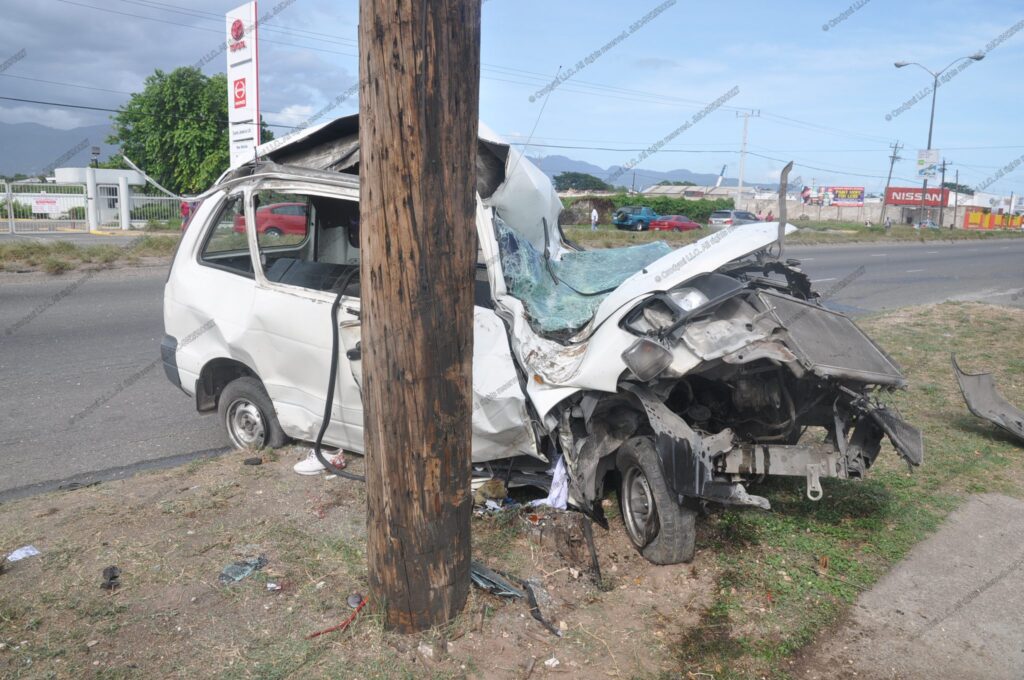
Crush Deformation: Damage measurements (depth/width) support energy-based speed estimates when aligned with repair photos and scene mapping.
2) Legal & Historical Data
Legal / Insurance Files: Police reports, claim notes, litigation filings—vital for timelines and witness consistency.
Crash History: Prior collisions associated with the VIN or driver (e.g., VehicleHistory; Carfax) help identify pre-existing damage and valuation impacts.
Repair / Service: Invoices, part replacements (especially restraint modules) can affect EDR availability.
Title / Sold Records: Ownership transfers, mileage disclosures, and auction notes (see industry data like AuctionEdge) provide provenance.
3) Safety & Compliance Data
Recalls & TSBs: Use NHTSA Recalls to check safety defects that may influence crash causation.
Crashworthiness Ratings: IIHS ratings and NHTSA star ratings contextualize expected injury risk and structural response.
Design & Operational Limits: Manufacturer docs and standards (e.g., SAE) clarify thresholds for systems like airbags and ADAS.
4) Contextual, Human, and Connected Data
Scene & Environment: Mapping, road geometry, sight-lines, traffic control, and weather—see local DOT resources and U.S. DOT data portals.
Human Factors: Perception-response time, impairment, distraction, and compliance with traffic law.
Digital/Connected Sources: Infotainment/telematics (phone pairing, call logs), fleet GPS, and cloud video. Handle with privacy compliance (e.g., Driver Privacy Act; consult counsel).
From Data to Decision—Fast
When crash data is expertly grouped and cross-validated, disputes resolve faster and defensibility rises. Our workflow integrates EDR, diagnostics, video, crush, legal, safety, and history records—then delivers a court-ready narrative with strict chain-of-custody. Start with a free 15-minute call; continue only if it makes sense for your case.
FAQ — Crash Data Categories
What are “Crash Data Categories” in simple terms?
They are organized groups of information related to a collision—like EDR, video, diagnostics, crush deformation, legal/insurance, recalls, repair and title history—so investigators can analyze cause and liability efficiently.
Why not rely on EDR alone?
EDR is powerful but incomplete without context. Combining it with diagnostics, video, scene mapping, and history yields stronger, more defensible conclusions.
Can infotainment or telematics help my case?
Yes. Infotainment/telematics can show device connections, calls, or trip paths—handled with lawful authority and privacy compliance.
Do you serve DFW Texas?
Yes—Crodymi LLC serves clients across Dallas–Fort Worth and nationwide with hybrid on-site and remote workflows.
How soon can we start?
We can begin with a free 15-minute call to scope needs. If it makes sense, we proceed under a paid session and a clear statement of work.
What do I need to provide?
Vehicle VIN, available reports/photos, module status (airbags/ACM), any video, and known repairs/recalls. We’ll guide you through a secure intake checklist.
