Vehicle Infotainment Data Recovery and Forensic Analysis
Crodymi LLC identifies, preserves, extracts, and analyzes available information from supported vehicle infotainment, navigation, connectivity, and related electronic systems. The recovered data may help clarify vehicle movements, connected-device activity, routes, timelines, and other case-specific questions.
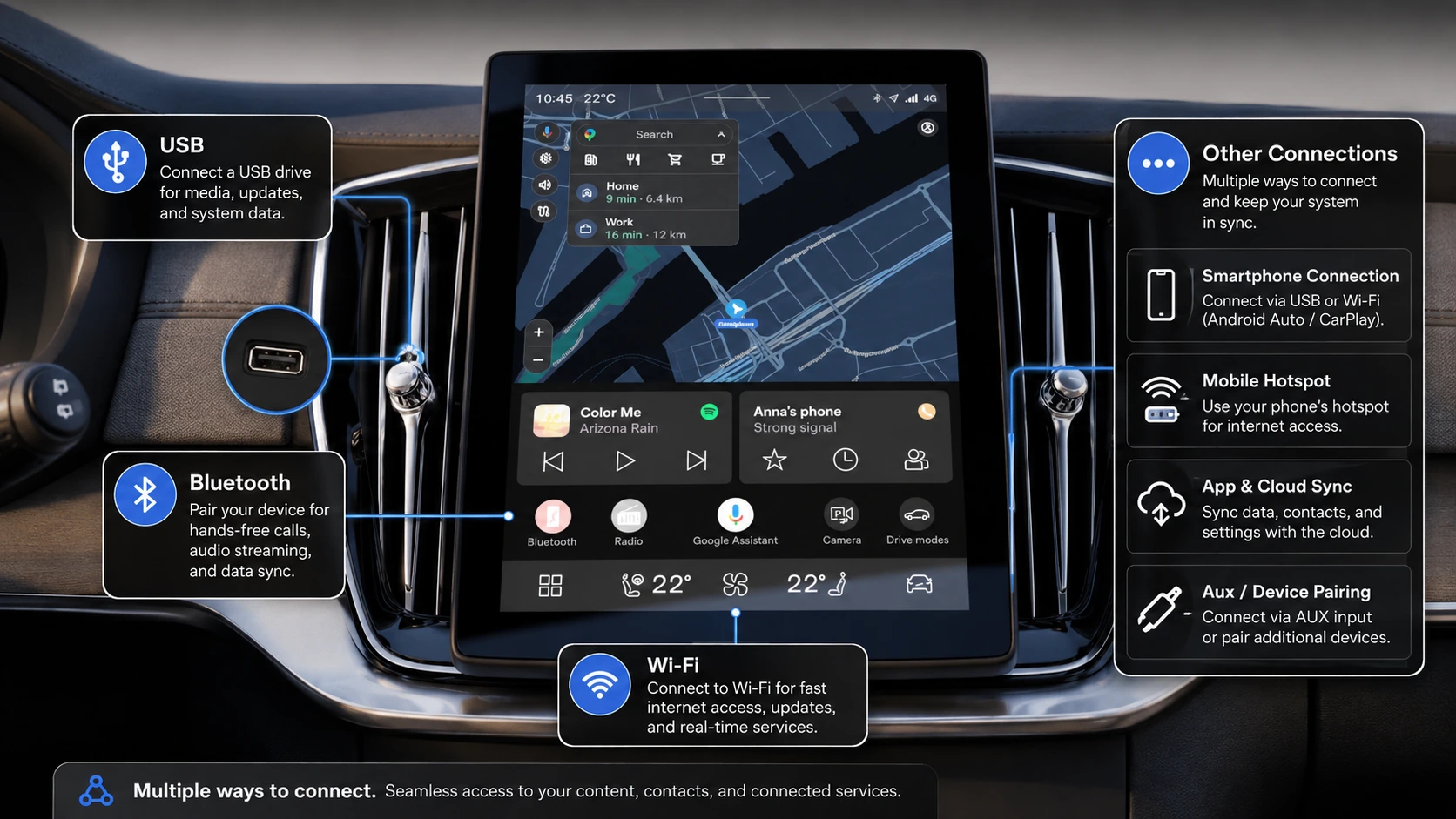
How Vehicle Infotainment Data Extraction Works
The correct acquisition method is determined only after reviewing the vehicle identification information, installed system, vehicle condition, legal authority, and the questions that need to be answered.
-
Compatibility review
We review the VIN, year, make, model, trim, system photographs, vehicle condition, and available records to identify possible data sources and acquisition options.
-
Authorization and preservation
Ownership, consent, legal authorization, access arrangements, and chain-of-custody requirements are addressed before the vehicle or component is examined.
-
Forensic acquisition
Depending on the supported system, acquisition may be completed in the vehicle or through controlled access to an identified infotainment, navigation, telematics, or related component.
-
Validation and organization
The acquired material is preserved, reviewed for completeness, organized by data category, and evaluated for timestamps, system context, and case relevance.
-
Analysis and reporting
Relevant records may be placed into timelines, maps, tables, charts, or written findings with limitations and supporting source information clearly identified.
Possible acquisition paths
- In-vehicle acquisition from an operational system
- Controlled direct access to a supported component
- Bench examination of a removed infotainment unit
- Review of previously acquired forensic data
- Manufacturer, fleet, or platform records when separately authorized
- Correlation with EDR, diagnostics, video, phone, or scene evidence
Information useful for a preliminary review
- Complete 17-character VIN
- Vehicle year, make, model, and trim
- Photographs of the center display and dashboard
- Whether the vehicle powers on
- Whether the display or electrical system is damaged
- Vehicle location and facility contact information
- The incident date and primary investigative questions
How Infotainment Data May Support an Investigation
Vehicle infotainment and connected-system data may provide context that is not contained in a conventional crash report or EDR download. The value of any record depends on its source, meaning, timestamps, completeness, and consistency with the remaining evidence.
Questions the data may help examine
- Where may the vehicle have traveled before or after an incident?
- Which destinations, routes, or locations were stored?
- Which phones or other devices were associated with the vehicle?
- When did selected vehicle or device events occur?
- Was a particular route consistent with other evidence?
- Can vehicle activity help refine an investigative timeline?
- Do the records corroborate or conflict with a reported account?
- Are there recurring locations, connections, or activity patterns?
Matters in which the service may be relevant
- Motor-vehicle crash investigations
- Civil litigation and insurance disputes
- Commercial fleet and employee-vehicle matters
- Vehicle theft or unauthorized-use investigations
- Crime-related vehicle examinations
- Route, location, and timeline reconstruction
- Missing-person or last-known-location inquiries
- Independent technical review of an existing extraction
Potential Deliverables
Preserved acquisition files
Native or exported acquisition material may be preserved and delivered when appropriate to the system, tool, authorization, and agreed scope.
Data inventory
A structured summary may identify the categories of information found, system details, relevant date ranges, and important limitations.
Timeline analysis
Relevant events may be chronologically organized and compared with photographs, reports, video, telephone records, or other available evidence.
Route and location mapping
Supported location records may be displayed on maps with timestamps, routes, points of interest, and explanatory notes.
Technical report
A written report may explain the acquisition, relevant findings, source records, interpretation, assumptions, and limitations.
Consultation and testimony
Additional services may include attorney consultation, deposition preparation, exhibits, demonstrative graphics, or expert testimony when separately retained.
Technical review by Ricardo Mitchell, M.Sc., B.Sc.
Crodymi LLC combines crash-investigation experience, vehicle-data analysis, applied statistics, data science, forensic documentation, and reconstruction methods to evaluate electronic vehicle evidence in the context of the complete case—not as an isolated data source.
Infotainment data should be interpreted together with its source, system documentation, acquisition method, clock behavior, and other evidence. A timestamp or device association does not automatically establish who performed an action or who was driving.
Vehicle Infotainment Data Recovery FAQ
What is vehicle infotainment data?
What information can be recovered from a car infotainment system?
Is infotainment data the same as EDR or black-box data?
Can deleted infotainment data be recovered?
Can infotainment data prove who was driving?
Do you need access to the entire vehicle?
Can you examine a damaged or non-operational vehicle?
Is infotainment data admissible in court?
How should I preserve a vehicle before the examination?
What do you need to determine whether my vehicle is supported?
Get started
Start the process today — no upfront payment required. We’ll provide the service now, and you can settle the payment later.
Tell us what you need
Get updates & continue
Drop your email so we can follow up. You can skip if you prefer.