

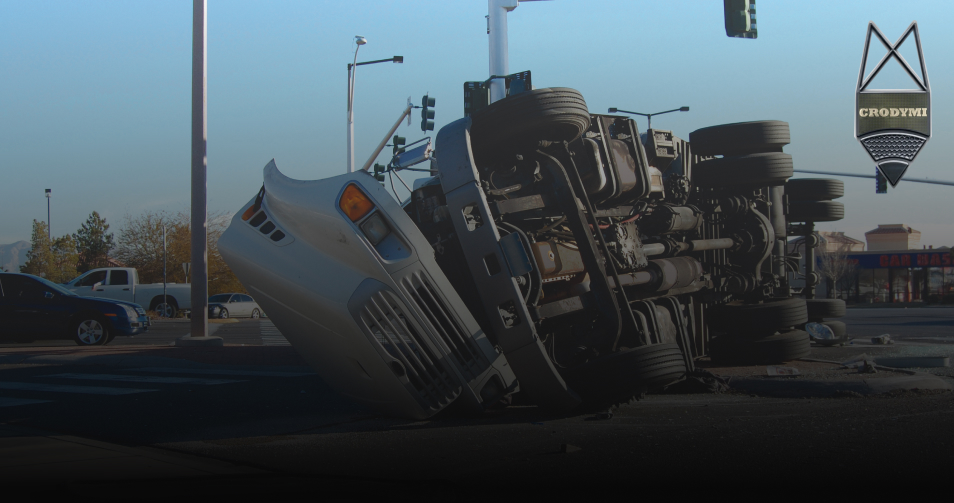
Truck accidents are among the most complex and devastating road incidents to investigate. Unlike regular car collisions, these crashes involve massive commercial vehicles, strict federal regulations, and multiple potentially liable parties. Without concrete evidence, it can be quite challenging to prove exactly what happened and who is responsible. That’s where black box data in truck accidents becomes a game-changer.
The black box stores critical operational data about the truck moments before, during, and after a crash. This information can uncover vital details that traditional witness accounts or police reports might miss. In many cases, black box evidence has helped victims and investigators build stronger claims and secure rightful compensation.
Let’s explore how black box data helps prove fault after a truck crash, why it’s so valuable for accident reconstruction, and how experts use it to uncover the truth behind every collision.
What Is a Truck’s Black Box (Event Data Recorder)?
A truck’s black box is an electronic device designed to record and store data about the vehicle’s performance and driver behavior. Similar to an aircraft’s black box, it helps investigators analyze the events leading up to an accident.
Most modern commercial trucks come equipped with EDRs and electronic logging devices (ELDs) that automatically capture data related to the truck’s movement, speed, and mechanical condition. These systems were mandated under federal trucking regulations (FMCSA) to promote road safety and ensure compliance with hours-of-service rules.
Key Information That A Black Box Records
The data captured by a truck’s black box can include:
- Vehicle speed before the crash
- Acceleration or deceleration rates
- Brake application and timing
- Engine revolutions per minute (RPM)
- Cruise control usage
- Clutch and gear status
- Steering angles
- Seatbelt use
- Sudden stops or hard braking
- Speed and braking records in accidents
This data can reveal whether a driver was speeding, fatigued, or failed to brake in time, providing clear insight into the cause of the crash.
How ELDs and GPS Are Linked with Black Box Data?
The black box works hand in hand with ELD (electronic logging device) data and GPS tracking systems. ELDs monitor how long a driver has been behind the wheel. These record everything, including their compliance with rest breaks and federal limits. Meanwhile, GPS tracking logs the truck’s route and time stamps.
When combined, these data sources offer a precise timeline of driver actions and vehicle performance leading up to the incident. This integrated data helps in truck accident evidence collection, ensuring no detail is overlooked in the reconstruction process.
Why Black Box Data Is Crucial in Truck Accident Cases?
When it comes to the aftermath of a truck accident, determining fault involves complex evidence analysis, with black box data being highly valuable. These data records critical aspects of the vehicle’s operation, such as speed and braking patterns, serving as an unbiased witness. Unlike human testimonies, which can be biased or unreliable, black box information provides objective insights crucial for accurately reconstructing the accident. This reliability aids law enforcement and insurance adjusters in making fair fault determinations.
Evidence of Driver Negligence
One of the most important uses of black box data is in proving driver negligence with data. For instance, if the data shows that a truck was speeding moments before the crash or that the driver failed to brake despite an obstacle ahead, it points to careless behavior.
In some cases, the data also reveals if the driver was operating beyond their permitted hours, violating FMCSA regulations designed to prevent fatigue-related accidents. This kind of truck accident fault evidence is often the cornerstone of liability claims.
Identifying Mechanical Failures or Maintenance Issues
Not every truck crash is caused by human error. Sometimes, the problem lies in mechanical failures such as brake malfunctions, engine issues, or worn-out tires. The black box can identify when a failure occurred and whether the trucking company neglected proper maintenance.
When investigators analyze commercial vehicle accident data, they can distinguish between mechanical issues and driver error, helping establish which party should be held accountable.
Supporting or Contradicting Witness Statements
Witness statements can be quite valuable, but human memory is rarely perfect, especially when it comes to traumatic incidents. EDR Black box data helps confirm or dispute such statements.
For example, if a witness claims the truck was traveling at normal speed, but the data shows it was exceeding the limit, that discrepancy can significantly alter the overall outcome of a case.
In this way, the data acts as a factual checkpoint that strengthens the credibility of the evidence presented.
How Black Box Data Helps Prove Fault After a Truck Crash
The role of black box data in proving liability in a truck crash cannot be overstated. It forms the backbone of technical investigations and legal arguments, helping to clarify exactly what happened.
Establishing the Timeline of the Accident
Black box data can recreate the sequence of events second by second. Investigators use it to determine how fast the truck was moving, when the brakes were applied, and how the driver reacted in the moments before the collision.
This helps establish whether the driver had sufficient time to prevent the crash or acted recklessly. Such details can provide powerful truck accident liability proof in court.
Comparing Driver Behavior with Federal Regulations
All truck drivers in the United States must comply with federal trucking regulations (FMCSA). This includes following the restrictions on driving hours, rest periods, and vehicle maintenance. The black box allows investigators to cross-check the driver’s behavior against these rules.
If the ELD data reveals that the driver exceeded allowable hours or ignored mandatory breaks, it can directly prove non-compliance and fatigue. Violations like these can shift liability toward the trucking company or driver, depending on the case.
Using Black Box Data in Accident Reconstruction
Accident reconstruction specialists use black box data to model how a collision occurred. This process, known as accident reconstruction black box analysis, combines digital data with physical evidence such as skid marks, road conditions, and vehicle damage patterns.
These experts can then simulate the crash in 3D, providing visual evidence that can be presented in court. It’s one of the most advanced truck accident investigation tools available today and helps create a scientifically accurate depiction of events.
If you’re interested in learning more about how data analysis supports these investigations, visit Event Data Recorder EDR Black Box Data Retrieval & Analysis Services.
Legal Importance of Preserving Black Box Data
Because of its immense value in legal use of black box data, preserving this evidence quickly is crucial. Unfortunately, trucking companies are not required to keep EDR data indefinitely.
How Long Trucking Companies Keep Black Box Data
Most companies retain EDR data for only about six months, though this period can vary. Some may overwrite the data within weeks if the vehicle returns to service. That’s why acting fast after a crash is essential to ensure the data isn’t lost.
Steps Attorneys Take to Secure Data Quickly
When a lawyer represents a truck accident victim, one of the first steps is to send a legal preservation letter to the trucking company. This letter demands that the company safeguard the truck’s data, logbooks, and maintenance records.
If necessary, attorneys may also request a court order to prevent any tampering. Many experienced attorneys work alongside technical experts like Crodymi LLC to extract and interpret the data professionally.
Challenges When Data Is Lost or Tampered With
If the data is deleted or tampered with, it can complicate the legal process. However, such actions can also raise suspicion of wrongdoing, often working against the party responsible for the destruction. Courts may impose sanctions or draw negative inferences against a company that fails to preserve crucial evidence.
Who Can Access Black Box Data After a Truck Accident?
Access to black box data is tightly controlled because it often contains sensitive information.
Role of Lawyers, Investigators, and Insurance Companies
Only authorized individuals like cash investigators, truck accident lawyers, or insurance adjusters can access this data. These individuals often collaborate with forensic experts who have the proper tools to download and analyze it safely.
This information is then used to build a detailed report on truck accident evidence collection, which can strengthen the victim’s legal case.
Privacy and Legal Rights Around Accessing the Data
Truck drivers and companies have privacy rights over the data. However, once a crash occurs and a lawsuit is filed, the court can grant access to relevant parties through legal discovery. This process ensures transparency and fairness in investigating the cause of the crash.
It’s important that the process complies with privacy laws and federal guidelines, which is why professional data retrieval services like Transportation Data Services play such a vital role.
Using Black Box Data to Strengthen Your Legal Claim
Black box data goes a long way in strengthening a personal injury claim after a truck accident. These devices, which are often installed in commercial vehicles, capture detailed information about the vehicle’s performance and driving conditions leading up to a collision.
Case Examples Where Black Box Data Proved Fault
In numerous cases, EDR data has revealed reckless driving behaviors that directly caused the crash. For instance, the data might show that the driver was speeding excessively or failed to apply the brakes in time.
In other scenarios, black box accident reconstruction has exposed mechanical defects that pointed to the trucking company’s poor maintenance practices. Such findings have resulted in higher settlements for victims.
How It Increases Compensation Chances
When the evidence clearly establishes fault, victims have a stronger position during settlement negotiations or trial. The ability to present detailed, scientifically backed data makes it harder for the defense to dispute liability.
In essence, black box evidence not only proves fault but also helps victims obtain fair compensation for their medical bills, lost income, and emotional distress.
If you’re involved in a truck crash and need expert help interpreting data, Crodymi LLC offers specialized Crash History Report for Buying and Selling Vehicles and Scaled Drawings & Sketches services to support legal investigations.
Conclusion
Black box data, much like in airplane crashes, has become one of the most powerful tools in modern truck accident investigations. It provides clear, unbiased information about how and why a crash occurred, helping victims, lawyers, and investigators establish fault with confidence. Most importantly, it gives victims the proof they need to hold the right parties accountable.
If you or your loved one has been involved in a truck accident, consulting professionals who understand how to retrieve and interpret this data is essential. Crodymi LLC, based in DFW, Texas, combines advanced technology with crash investigation expertise to provide reliable solutions. Contact us to see how our data analytics and accident reconstruction services can support your legal claim!
Frequently Asked Questions
1. What kind of data does a truck black box record?
A truck’s black box records information such as speed, braking, throttle position, seatbelt use, and engine performance. It may also store details about the driver’s hours of service and route history.
2. How long is black box data stored after a truck accident?
Most trucking companies store black box data for several months, but some may overwrite it sooner. It’s important to request preservation of this data immediately after a crash.
3. Can black box data be used in court to prove fault?
Yes. Courts frequently admit black box data as objective evidence in truck accident cases, as it provides factual information about the vehicle’s actions before and during the crash.
4. Who has the right to access a truck’s black box data?
Typically, only authorized investigators, lawyers, and insurance professionals can access black box data. Access often requires the truck owner’s permission or a court order.
5. What should I do if black box data is erased after a crash?
If the data is deleted, your lawyer can request a court order to sanction the responsible party. Intentional destruction of evidence can lead to serious legal consequences.
6. How does black box data help in proving driver negligence?
The data can show speeding, harsh braking, or violation of rest rules, which indicate negligence. This information supports your claim and strengthens your case in court.
7. What role does the FMCSA play in black box data regulations?
The FMCSA (Federal Motor Carrier Safety Administration) mandates the use of ELDs to track hours of service and ensure compliance with safety standards in the trucking industry.
8. Can a trucking company be held responsible for failing to maintain a black box?
Yes. If a company fails to preserve black box data after a crash, it may be considered an attempt to hide evidence, which can negatively impact its defense in a legal case.