

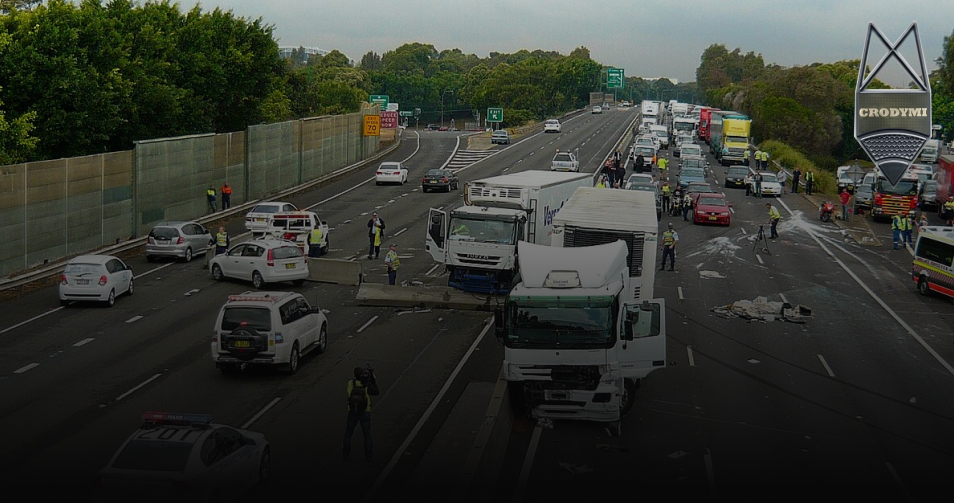
An unexpected car accident can not only damage your vehicle but also wreck your financial future. Many believe insurance companies will handle everything, but that’s often a costly gamble. Without precise evidence, you risk losing thousands – even your family’s savings.
We show you how a Traffic Collision Reconstruction report becomes your ultimate shield, protecting your assets and setting you up for true peace of mind.
Here’s what we’ll cover:
- Why do you need accurate accident details
- How do we get the real story from vehicle data
- The financial benefits of a thorough report
- Using reconstruction to protect your generational wealth
Crodymi LLC is here to help you get the facts straight. We specialize in gathering and analysing, documenting, and visualizing crucial data from crashes, ensuring you have the clear picture you need.
Why You Need Accurate Accident Details
After a traffic collision, things can feel like a blur. You might be shaken, confused, or wondering what comes next. But here’s the truth: getting the facts straight protects your money and your future. A solid traffic collision reconstruction report is your best defense against unfair blame and costly disputes.
Many people think their insurance company or a quick police report will handle everything. That’s a gamble. Without precise, verifiable evidence, you risk losing thousands – even your family’s savings. We show you how a detailed report becomes your shield, helping you keep your wealth intact.
The Cost of Missing Facts
When an accident happened, were you totally clear on every detail? Most people aren’t. Relying on fuzzy memories or conflicting witness statements can sink your case. Juries and insurance adjusters crave cold, hard facts. They want to see the sequence of events leading up to the impact. This means we need to accurately determine vehicle position, vehicle speeds, and all contributing factors right from the accident scene.
- Avoid Higher Premiums: Vague information can lead to assumptions that hurt you.
- Secure Fair Settlements: You won’t get what you deserve without proof.
- Prevent Legal Battles: Clear evidence, most of the time, resolves disputes quickly.
Our Accident Reconstruction Approach to Finding the Truth
We don’t just guess; we prove what occurred. Our collision reconstruction process is thorough, pulling from every available data point. This means we:
- Collect Physical Evidence: We inspect vehicle damage, scour for tire marks like skid marks, and analyze all available data.
- Analyze Electronic Data: This includes crucial information from event data recorders (EDR), often called “black boxes,” in vehicles involved. These tell us about speed, braking, crash magnitude or severity, and more.
- Reconstruct the Scene: We use specialized training and equipment, sometimes even photogrammetry software, to recreate the collision scene accurately. This helps us understand vehicle dynamics and how the crash occurred.
Our accident reconstruction specialists have extensive experience. They examine everything in an EVP format, including the environment, vehicle, and people, as well as roadway conditions, lighting, and any advanced driver assistance systems that might have been active. This comprehensive crash investigation provides the clear findings you need, helping you avoid financial heartache.
A Must-Read Guide: Auto Accident Reconstruction: The Basics You Must Know
Scenarios: How Reconstruction Saves Your Family’s Future
A crash can hit more than just your car. It can shake up your family’s whole financial future. Baseless claims can chip away at your hard-earned savings and investments.
That’s where traffic collision reconstruction steps in. We take all that raw data and turn it into a clear, solid story of what happened. This shields you from inflated settlements, helping you keep your wealth secure.
Our precise analysis of speeds, forces, and occupant motions separates legitimate claims from exaggerated ones. This safeguards businesses from inflated payouts, protecting employee pensions and shareholder value. For families, a solid reconstruction can stop a single lawsuit from wiping out years of savings or assets meant for future generations.
Scenario 1: The “Whiplash to Traumatic Brain Injury” Escalation

A minor parking lot bump escalates into a near-million-dollar claim.
- The Claim: Driver A demands US $900,000 for mTBI after an 8 mph parking lot collision.
- Our Findings: Event Data Recorder (EDR) data shows a tiny 3 mph change in velocity, well below injury thresholds. Vehicle design analysis confirms limited head movement. Surveillance footage shows the claimant jogging later.
- Outcome: Demand drops to medical bills only. The company avoids a huge payout, preserving its succession plan.
Scenario 2: The “Flying Debris” Claim Against a Delivery Van
An unsubstantiated claim of injury from shattered glass.
- The Claim: A passenger alleges a piece of glass from a highway sideswipe flew into a delivery van, causing a US $1.2 million facial injury claim.
- Our Findings: 3-D laser scans and trajectory software prove that glass couldn’t have entered the van. Dash-cam footage confirms the glass remained intact. A biomechanical expert notes the scar matches a shaving cut, not a projectile.
- Outcome: Case dismissed pre-trial. The corporation avoids a seven-figure hit, protecting shareholder value and employee retirement funds. This is a clear example of safeguarding generational wealth through rigorous crash investigation.
Scenario 3: Inflated “Flying Debris” Injury Claim
Let’s discuss another scenario where an unsubstantiated claim can threaten your assets.
- The Claim: After an intersection vehicle collision, Driver B, who wasn’t directly struck, claims debris flew through his rear window, causing a head injury.
- Our Findings: Our accident reconstruction specialists examine the collision scene and vehicles involved. We find no corresponding damage for debris entry, and internal impact analysis, along with witness statements, contradict the alleged injury.
- Outcome: Our reconstruction shows the physics doesn’t support the claim, protecting the responsible party from an inflated demand and preserving their financial stability.
How We Get the Real Story from Vehicle Data
After a crash, it’s easy to feel overwhelmed. But deep within your vehicle lies a treasure trove of information, just waiting to tell its side of the story. We know how to unlock it. Getting the real story from vehicle data is our specialty, providing insights that go far beyond what the eye can see at the accident scene.
The Power of the “Black Box”
Many modern vehicles, from passenger vehicles to heavy trucks and tractor trailers, have Event Data Recorders (EDR) often called “black boxes.” These devices record critical information just before, during, and after an accident. They capture:
- Vehicle Speeds: What was the speed of the vehicle involved at impact?
- Brake Usage: Were the brakes applied? How hard?
- Steering Angle: What was the steering wheel’s position?
- Seatbelt Status: Were occupants belted in?
- Delta-V: The change in velocity during the crash, indicating crash severity.
This data is extremely precise, which tells us about the vehicle dynamics in the moments leading up to the impact, helping us determine how the accident happened with scientific accuracy. We use specialized equipment and tools to extract this vital information, even from severely damaged vehicles.
Read Next: What Can a Vehicle’s Black Box Tell You After an Accident?
Beyond the Black Box: Comprehensive Accident Reconstruction Data Collection
Our data collection process goes deeper than just EDRs. We look at all available data to build a complete picture. This includes:
- Infotainment Systems: Believe it or not, your car’s infotainment system can hold clues about driver actions and events leading to a crash. We can extract and analyze this data.
- GPS and Telematics: For commercial vehicles, fleet data can provide valuable insights into routes, driving patterns, and even harsh braking events.
- Satellite and Camera Footage: Sometimes, external cameras or satellite images capture the scene, providing crucial context for the collision analysis.
Turning Data into Answers
Physical evidence collected at the scene such as skid marks, gouge and scrape marks, tire impressions, and vehicle debris serves as the foundation for an accurate accident reconstruction report. Skid and yaw marks on the pavement reveal pre-impact speeds and braking behaviour, allowing reconstructionist to calculate velocity changes and determine whether evasive manoeuvres were attempted. Gouge marks in curbs or guardrails can pinpoint exact points of contact, while paint transfers, vehicular fluid marks, and debris fields trace vehicle trajectories, point of impact, and final rest positions. By carefully mapping these physical clues, reconstruction experts can recreate the sequence of events with precision, validating or challenging witness statements and onboard data.
Beyond obvious impact indicators, subtler evidence like crush patterns, road surface damage, and environmental factors (e.g., potholes, oil slicks) informs the analysis of collision dynamics. Measurement of crush depths and deformation profiles enables calculation of force vectors and energy dissipated during impact. Meanwhile, the spatial distribution of broken glass or dislodged components helps establish point-of-origin and collision angles. Together, this comprehensive suite of physical data not only underpins the scientific rigor of a reconstruction report but also provides compelling, courtroom-ready visuals that translate complex crash mechanics into clear, objective evidence.
Once we have all the data, our work truly begins. Our accident reconstruction expertise means we don’t just present raw numbers. We analyze them to piece together exactly what occurred. We use advanced computer applications and sometimes even crash test reports to validate our findings.
This rigorous process gives you the clear, accurate account you need. Whether you need expert testimony, deposition transcripts, or simply to understand the events leading to the collision, our analysis helps you make sense of the chaos and protect your financial standing.
The Financial Benefits of a Thorough Report
An accident hits your vehicle, but the real impact can be on your wallet. A thorough traffic accident reconstruction report isn’t just about understanding what happened; it’s a smart financial move. This detailed report can save you significant money and protect your assets. It’s an investment that pays off, big time.
Saving You From Costly Claims
Imagine facing a claim where you’re unfairly blamed. Without concrete evidence, you could be on the hook for repairs, medical bills, and even legal fees. Our collision reconstruction provides the irrefutable evidence you need.
- Reduce Liability: Clear findings mean less chance of being held responsible.
- Maximize Payouts: Solid evidence helps you get the compensation you deserve.
- Lower Legal Costs: A strong report often leads to quicker settlements, avoiding long, expensive court battles.
We analyze every piece of physical evidence, from tire marks to vehicle damage, building a bulletproof case. This means less money out of your pocket and more peace of mind.
Protecting Your Future Wealth
Your financial well-being, even your generational wealth, is at stake after a serious collision. A high-quality report helps safeguard it. It ensures that the burden of an accident doesn’t cripple your finances for years to come. Our accident reconstruction specialists deliver conclusions that stand up to scrutiny, whether it’s in court or during negotiations.
We provide expert testimony, if needed, to assist your legal team. This kind of detailed analysis and support is how we help you avoid major financial pitfalls and ensure your financial future stays secure. It’s about protecting what you’ve worked hard for.
Penny Wise and Pound Foolish
When you consider the cost of a comprehensive accident reconstruction including EDR (Event Data Recorder) data retrieval, detailed engineering analysis, and high-definition forensic animation it’s tempting to balk at reports priced between $500 and USD 15,000. Yet, trying to “save” a few dollars by cutting corners often ends up costing far more in the long run. A thorough reconstruction isn’t just about crunching numbers; it’s about piecing together every physical clue, vehicle system record, and human factor into a cohesive narrative that withstands scrutiny. Skipping EDR downloads or settling for static diagrams over animated sequences might seem prudent on day one, but when opposing counsel challenges your version of events or your client’s insurer undervalues a claim, those “savings” evaporate under cross-examination.
Investing in expert reconstruction and animation services delivers a powerful return on investment. Accurate speed and impact analyses, backed by raw EDR logs, can clarify fault, establish causation, and quantify damages with authority often tipping negotiations in your favor and accelerating fair settlements. Meanwhile, dynamic animations translate complex physics into intuitive visuals, reducing trial time, humanizing technical testimony, and persuading juries with compelling storytelling. In essence, the upfront cost of professional accident reconstruction and animation becomes a strategic asset: it mitigates risk, maximizes claim value, and safeguards reputations. Choosing quality over cheap shortcuts ensures you’re not penny wise and pound foolish because in legal and insurance arenas, demonstrable expertise pays dividends far beyond its initial expense.
Using Reconstruction to Protect Your Generational Wealth

We’ve discussed saving money, but a traffic collision reconstruction report goes even further. It helps you protect something much larger: your generational wealth. A severe accident, especially one where you’re unfairly deemed at fault, can create financial ripples that affect your family for years, even decades. Our work helps you avoid that.
Shielding Your Family’s Future
Consider how a big accident can mess with your family’s finances. Huge medical bills, lost paychecks, and court orders can drain savings, stop college plans, or even force you to sell things. It’s not just about what you lose right now; it’s about fewer chances for your kids and grandkids down the road.
We give you the exact accident reconstruction data and analysis you need to stop those bad things from happening. By proving the facts of what went down, we help:
- Preserve Assets: Keep your hard-earned savings and property intact.
- Maintain Earning Potential: Avoid judgments that could garnish wages or future income.
- Secure Legacies: Ensure your financial stability continues to benefit future generations.
Our accident reconstruction expertise gives you peace of mind, knowing you’ve done everything possible to secure your family’s financial future against unforeseen events.
The True Cost of a Crash
Accident reconstruction helps protect your family’s future wealth. It pinpoints who’s responsible for a crash’s huge financial burdens, like medical bills and legal fees. Our precise analysis fairly assigns liability, so innocent parties don’t take an unfair hit.
If the fault is unclear, these costs often become public burdens. By allocating blame accurately, accident reconstruction shields families and communities from financial hardship, keeping generational wealth secure.
According to the National Highway Traffic Safety Administration (NHTSA)’s 2020 report, motor vehicle crashes in the U.S. cost approximately $380 billion annually. This huge figure includes:
- Medical costs
- Lost productivity
- Property damage
- Legal expenses
- Emergency services
A fatal crash alone carries an average economic cost of $1.4 million to $1.5 million per incident. This figure covers immediate medical care, lost income, legal and court costs, emergency response, property damage, and the economic value we place on human life.
Breaking Down the Costs
Understanding where these vast sums go helps you grasp the importance of precise traffic collision reconstruction.
- Medical and Emergency Care: These costs can easily hit tens or hundreds of thousands of dollars per victim, depending on how severe the injuries are and what treatments are needed.
- Burial and Funeral Expenses: While a smaller part of the total, these typically run between $7,000 and $12,000 in the U.S., as reported by the National Funeral Directors Association.
- Vehicle Damage: This varies widely based on the vehicle type. For instance, the average new car price in 2024 is around $48,000, according to Kelley Blue Book.
- Roadway Infrastructure: Depending on the damage, repairing signs, guardrails, and lighting can cost hundreds to tens of thousands of dollars per incident.
- Legal and Insurance Expenses: This covers claims processing, litigation, settlements, and insurance premiums, potentially reaching tens or hundreds of thousands of dollars in fatal crash cases.
- Lost Productivity: This represents a significant portion of the overall economic burden, resulting from victims’ inability to work or premature death (National Highway Traffic Safety Administration, 2021).
Here’s a quick look at average cost breakdowns:
| Cost Element | Estimated Average Cost per Fatal Crash |
| Medical and Emergency Care | $100,000+ |
| Burial and Funeral | $7,000 – $12,000 |
| Vehicle Repair / Replacement | $20,000 – $50,000+ (varies widely) |
| Roadway Infrastructure | $5,000 – $20,000+ (depending on damage) |
| Legal / Insurance | $50,000 – $200,000+ |
| Lost Productivity & Other | $1 million+ |
| Total Average Cost | $1.4 million to $1.5 million |
Building an Undeniable Case
Protecting generational wealth means building a case that is beyond dispute. This involves meticulous evidence collection and analysis. We utilize advanced tools and a deep understanding of vehicle dynamics to leave no stone unturned. Our process includes:
- Thorough inspection of all vehicles involved.
- Precise analysis of the accident scene, including roadway and tire marks.
- Human and external contributory factors
- Interpretation of electronic data, like that from event data recorders.
- Developing clear, concise conclusions for expert testimony, if needed.
Whether it involves passenger vehicles, heavy trucks, or motorcycles, our conclusions are based on undeniable facts. We deliver a comprehensive report that stands strong, safeguarding your financial legacy and ensuring your family’s prosperity remains secure.
Ready to Protect Your Future with Crodymi’s Reconstruction Expertise?
We’ve seen how a detailed traffic collision report isn’t just a bunch of paperwork; it’s a powerful tool. It protects what you own, stops unfair blame, and keeps your family’s future wealth safe. Putting your money into accurate traffic collision reconstruction gives you clear answers and control right when needed.
Here are your key takeaways:
- Accurate details save you from costly legal and insurance battles.
- Vehicle data, including “black box” information, reveals the true story.
- A thorough report translates directly into significant financial benefits.
- Protecting your wealth requires an undeniable, expert analysis of vehicle collisions.
Crodymi helps you gain this crucial clarity. Our commitment to public safety and our precise vehicle design analysis give you an edge. You can trust our team, backed by an accreditation commission, to deliver the comprehensive insights you need after a crash.
Ready to protect your financial future? Contact Crodymi today.
Frequently Asked Questions (FAQs)
What is accident reconstruction?
Accident reconstruction is the scientific procedure to investigate and analyze how a traffic accident occurred. It uses physical evidence, vehicle data, and scientific principles to determine the sequence of events.
What is essential for the reconstruction of a traffic accident?
Essential elements for traffic accident reconstruction include physical evidence from the accident scene (such as skid marks and vehicle damage), electronic data from EDRs, witness statements, and vehicle dynamics and roadway conditions analysis.
What do accident reconstruction experts do?
Accident reconstruction specialists collect and analyze all available evidence to determine the speed, angles, and actions of vehicles involved in a crash. They provide clear conclusions and can offer expert testimony on what happened.
References
- Insurance Institute for Highway Safety. (2020). Costs of crashes.
https://www.iihs.org/topics/fatality-statistics/detail/economic-costs - Kelley Blue Book. (2024). New car prices.
https://www.kbb.com/car-prices/ - National Funeral Directors Association. (2023). 2023 NFDA funeral and cemetery benchmarking report.
https://nfda.org/news/statistics - National Highway Traffic Safety Administration. (2021). The economic and societal impact of motor vehicle crashes, 2010 (revised) (Report No. DOT HS 812 013).
https://crashstats.nhtsa.dot.gov/Api/Public/ViewPublication/812013 - U.S. Bureau of Labor Statistics. (2021). Lost productivity costs related to injury and fatality.
https://www.bls.gov/opub/mlr/2021/article/lost-productivity-costs-of-injury-and-fatality.htm
Authors: Atif Ijaz, Ricardo Mitchell