
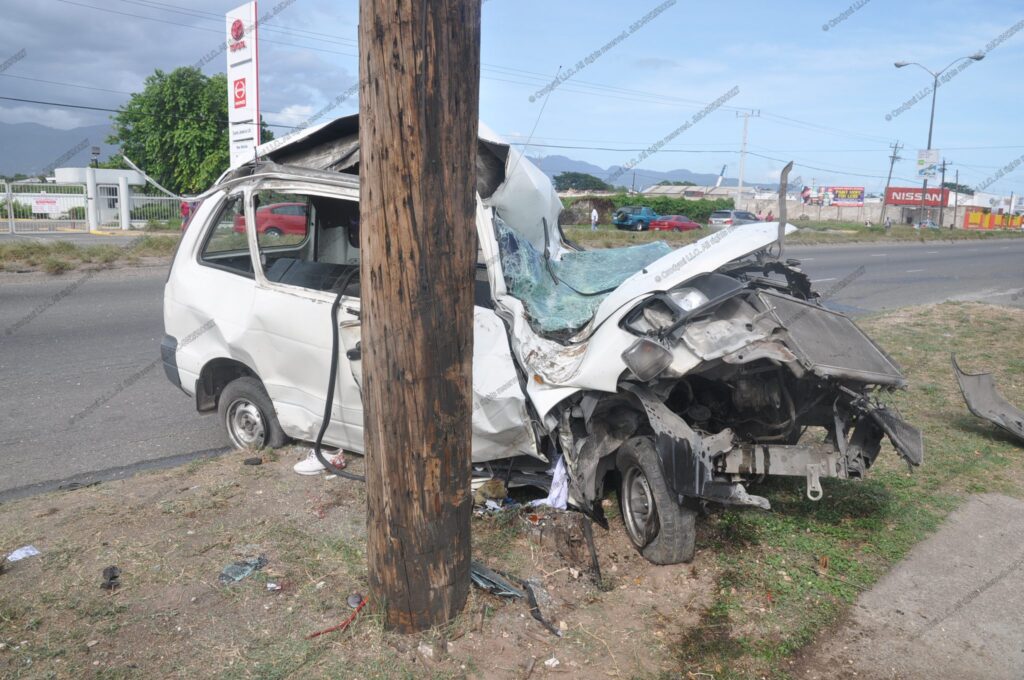
The result may not be perfect. The report may still protect you.
Many crash victims ask one honest question before hiring an accident reconstruction expert: “Should I pay for a crash reconstruction report if the findings might be unfavorable?” The practical answer is yes, especially when the crash may affect insurance, court, settlement negotiations, employment, licensing, family assets, or future claims.
A strong accident reconstruction report does more than support one side. It helps reveal what happened, what can be proven, what cannot be proven, and where liability may be shared. That matters because most serious collision cases are not won by emotion alone. They are shaped by evidence, measurements, vehicle data, roadway factors, human factors, and technical analysis.
Why an unfavorable finding can still be valuable
An accident reconstruction report is not only a weapon. It is also a shield. If a technical analysis shows weaknesses in your position, that information can help you make better decisions before the other side exposes those weaknesses in a courtroom, insurance dispute, deposition, arbitration, mediation, or tribunal setting.
Without a report, people often rely on memory, anger, photographs, social media comments, or what they believe “must have happened.” Those things may feel convincing, but liability decisions are usually based on evidence. A crash reconstruction expert can analyze accident evidence and explain speed, braking, timing, impact angle, visibility, roadway design, damage consistency, occupant movement, and available digital data in a way that a regular person may not see.
Filing or threatening a claim without understanding the evidence can create financial risk. Depending on the jurisdiction, court rules, contracts, statutes, or case conduct, a party may face defense costs, sanctions, fee-shifting, or a countersuit. A traffic accident reconstruction report can help you understand the strength and weakness of the claim before you go too far.
In many crashes, both parties may have contributing factors. If you have no technical report, your side may be reduced to word of mouth while the opposing side uses diagrams, data, testimony, and expert opinions.
Even when the facts are not perfect, knowing the technical picture can help you decide whether to settle, push back, request more evidence, preserve data, involve an attorney, or stop spending money on a weak theory.
For crash victims, family representatives, lawyers, researchers, and insurance claimants, the real value of forensic reconstruction is clarity. A report may confirm that you are not fully at fault. It may show that the other driver contributed. It may expose an environmental hazard. It may reveal a mechanical issue. It may also tell you that your belief does not match the physical evidence. That can be uncomfortable, but it can also save you from a more expensive mistake.
Word of mouth is not enough when the other side has evidence
In a serious vehicle accident reconstruction matter, statements alone rarely tell the whole story. A person may honestly believe they stopped, slowed, looked, or had the right of way. But a collision reconstruction can test those statements against measurable evidence: final rest positions, damage profiles, tire marks, roadway geometry, EDR data, video frames, sight distance, traffic control devices, lighting, grade, curve radius, and timing.
That is why a report matters even when the result is not exactly what you hoped. It turns confusion into organized evidence. It gives your lawyer, insurer, family, or decision-maker something tangible in printed form and something shareable in digital form. A report can be filed, emailed, presented, attached, discussed, challenged, updated, and used to guide the next step.
Get started
Start the process today — no upfront payment required. We’ll provide the service now, and you can settle the payment later.
Tell us what you need
Get updates & continue
Drop your email so we can follow up. You can skip if you prefer.
What a crash reconstruction expert may see that others miss
A qualified accident reconstruction expert is trained to look beyond the obvious damage. The expert does not simply ask, “Who hit whom?” The better question is, “What chain of events created this collision, and what evidence supports that conclusion?” That is where accident reconstruction service becomes powerful for the general public and for legal professionals.
Roadway markings, lane width, curves, hills, construction zones, signal timing, lighting, weather, sight obstructions, surface friction, signage, debris, a rolling object from a hill, or an incorrect traffic control condition may all matter.
Brakes, tires, steering, suspension, lights, airbags, software faults, ADAS behavior, recalls, maintenance issues, factory defects, diagnostic trouble codes, EDR data, and module communication can change the technical picture.
Perception-response time, intoxication, distraction, fatigue, fear, force, fraud, criminal elements, panic braking, evasive steering, expectancy, and whether a driver had enough time and distance to avoid the crash may all be considered.
Modern vehicles may also store crash-related information in Event Data Recorders, airbag control modules, powertrain modules, cameras, telematics systems, fleet platforms, and infotainment systems. NHTSA describes EDRs as devices that may record pre-crash vehicle dynamics, system status, driver inputs, crash signature, and restraint data. When available and lawfully obtained, that information can make a crash reconstruction report far more objective.
When mechanical or software issues are suspected, the analysis should not stop at driver statements. A vehicle may have open recalls, service campaigns, stored diagnostic codes, or a known system issue. Checking official safety recall resources can help determine whether a vehicle defect or unresolved repair issue deserves closer attention in the forensic reconstruction process.
For cases involving visual presentation, animations can also help explain timing and movement. A properly grounded animation should not be treated as a cartoon version of someone’s opinion. It should be connected to the evidence, measurements, EDR data, photographs, video, and physical scene information. For that type of evidence-based visual work, see Crodymi’s forensic traffic crash and accident animation services and scene mapping and forensic sketch services.
Five additional reasons a reconstruction report is important
- It preserves the case story before evidence disappears. Tire marks fade, vehicles get moved, modules get replaced, videos overwrite, phones get lost, and salvage yards sell vehicles. A crash reconstruction report helps organize the evidence while it still exists.
- It identifies missing evidence. A good report can show what is known, what is unknown, and what should be requested next, such as EDR data, dashcam video, body-camera footage, police diagrams, 911 records, fleet GPS logs, repair records, or scene measurements.
- It helps expose shared fault. Comparative liability matters because many systems assign percentages of fault. If the other driver contributed through speed, late braking, distraction, improper lane use, intoxication, unsafe turning, or failure to yield, you need technical support to show that contribution.
- It gives lawyers and insurers a structured technical foundation. Attorneys argue law. Adjusters evaluate claims. Judges and juries decide facts. A crash reconstruction report helps those decision-makers understand the physics and evidence behind the collision.
- It helps protect your money, assets, and future decisions. A serious crash can involve medical bills, lost work, vehicle loss, lawsuits, insurance increases, license issues, and reputational harm. Paying for one solid analysis can be far less costly than moving forward blindly.
Comparative liability is why “not perfect” does not mean “not useful”
Many crash disputes involve shared responsibility. The other driver may have done something wrong, but you may also have some contributing factor. Or the opposite may be true: the insurer may blame you heavily while the evidence shows the other party had substantial contributing fault. Comparative negligence principles generally reduce recovery based on percentage of fault, and rules vary by jurisdiction. That is exactly why an accident reconstruction report can matter so much.
For example, a report may show that one driver had the right of way but was traveling too fast for conditions. It may show that another driver made a poor turn but was reacting to an unexpected roadway condition. It may show that the crash was not caused by one simple mistake but by a combination of human, environmental, and vehicle factors. Without technical analysis, the simplest story often wins, even when the simplest story is incomplete.
Courts and tribunals often care about whether expert testimony is based on sufficient facts, reliable principles, and reliable application to the facts. That is one reason an accident reconstruction expert report is so different from a casual opinion. It is meant to connect facts, methods, and conclusions. It can support negotiations, insurance claim handling, mediation, arbitration, deposition preparation, trial presentation, and case strategy.
The strongest reason to pay: the report guides your next move
Every report should help you understand where to go with the case. Sometimes the next step is to proceed with confidence. Sometimes it is to request more data. Sometimes it is to adjust expectations. Sometimes it is to settle. Sometimes it is to challenge an insurer’s fault decision. Sometimes it is to stop before spending more money. That guidance is valuable even if the findings are not fully favorable.
A crash reconstruction report is evidence in a practical sense because it organizes technical findings into a usable format. In printed form, it is tangible. In digital form, it can be shared, stored, searched, and attached to communications. For crash victims, representatives, researchers, lawyers, and insurers, that structure can make the difference between a vague complaint and a defensible evidence package.
Get started
Start the process today — no upfront payment required. We’ll provide the service now, and you can settle the payment later.
Tell us what you need
Get updates & continue
Drop your email so we can follow up. You can skip if you prefer.
Frequently Asked Questions
Tap or click each question to open the answer. These FAQs are written for crash victims, representatives, researchers, lawyers, insurers, and anyone trying to understand whether a crash reconstruction report is worth the investment.
Should I pay for a crash reconstruction report if the result may be unfavorable?
Yes, if the crash has legal, insurance, financial, or personal consequences. An unfavorable finding can still help you understand risk, avoid weak arguments, identify shared fault, and make better decisions before the other side controls the narrative.
What is accident reconstruction?
Accident reconstruction is the technical process of using evidence, physics, vehicle data, roadway information, damage analysis, and human factors to determine how a crash happened.
What does an accident reconstruction expert do?
An accident reconstruction expert examines evidence such as vehicle damage, EDR data, scene measurements, roadway geometry, video, tire marks, visibility, timing, speed, and driver behavior to form technical opinions.
Can a report help if I am partly at fault?
Yes. A report may identify other contributing factors and help prevent all liability from being placed on you. In shared-fault cases, percentages matter.
Can a crash reconstruction report help with insurance?
Yes. It can help explain liability, speed, braking, impact angle, avoidability, vehicle defects, and whether the insurance fault decision matches the technical evidence.
Is word of mouth enough after a crash?
Usually not in a serious dispute. Statements can be important, but they are stronger when supported by physical evidence, vehicle data, measurements, and technical analysis.
Can AI replace an accident reconstruction expert?
No. AI can assist with organization and calculations, but it can also make mistakes. A qualified expert must check the evidence, assumptions, physics, and conclusions.
What evidence should I preserve after a crash?
Preserve photos, videos, police reports, repair estimates, EDR data, dashcam files, witness information, insurance communications, vehicle location, and any electronic data sources.
What if the other party has a lawyer and I do not?
A reconstruction report can help you understand the technical evidence and may assist your attorney or insurer. It does not replace legal advice, but it can support informed decision-making.
Does a report guarantee that I will win?
No. A report does not guarantee a result. Its purpose is to analyze accident evidence objectively and explain what can and cannot be supported.
Can reconstruction identify vehicle or software problems?
It can help identify indicators of mechanical, electronic, software, ADAS, diagnostic, recall, or maintenance issues that may require deeper investigation.
When should I request a report?
As early as possible, especially before the vehicle is repaired, sold, destroyed, moved from storage, or before video and electronic data are overwritten.
General information only. This article is not legal advice and does not create an expert-client relationship until services are formally retained and authorized.
Get started
Start the process today — no upfront payment required. We’ll provide the service now, and you can settle the payment later.
Tell us what you need
Get updates & continue
Drop your email so we can follow up. You can skip if you prefer.