
Motion Blur Portfolio Showcase
Event Data Recorder (EDR) / Black Box

Data Retrieval & Analysis Services

Our technician uses three proven methods—one result: fast, defensible, and affordable crash data for your case.

Schedule a Free Consultation
Whether you’re right or think you’re wrong, we’re here to uncover the truth. If you’re right, we’ll help solidify your case. If you’re unsure or believe you’re at fault, we’ll help you understand what really happened.
EDR Data Retrieval & Analysis – Crodymi LLC

Nationwide EDR Data Retrieval & Analysis

Crodymi LLC provides nationwide EDR (black box) data retrieval and analysis for attorneys, crash victims, insurers, fleets, and investigators. We extract, validate, and interpret pre-crash metrics—speed, braking, steering, belts, airbags—to clarify what happened and why. On-site or shipped modules, chain of custody preserved. Standard 24–72 hr turnaround; rush available. Bosch CDR bench or on-vehicle imaging delivers court-ready reports and expert testimony.

Request EDR Service

Why Choose Crodymi’s Crash‑Data Service?

We combine forensic‑grade inspection, diagnostic scans, and EDR retrieval into one seamless package—delivering court‑ready data and visuals that clarify every detail of a collision.

  • Vehicle teardown & precise measurements
  • Full EDR scan: speed, braking, impact timing
  • Diagnostic scan for hidden mechanical faults
  • Forensic photographs captured with macro and standard lenses—revealing paint transfers, crush lines, and micro‑damage
  • No upfront cost

Free EDR check: does your vehicle record crash data?

Get started

Start the process today — no upfront payment required. We’ll provide the service now, and you can settle the payment later.

Three Internationally Recognized EDR Retrieval Standards We Use

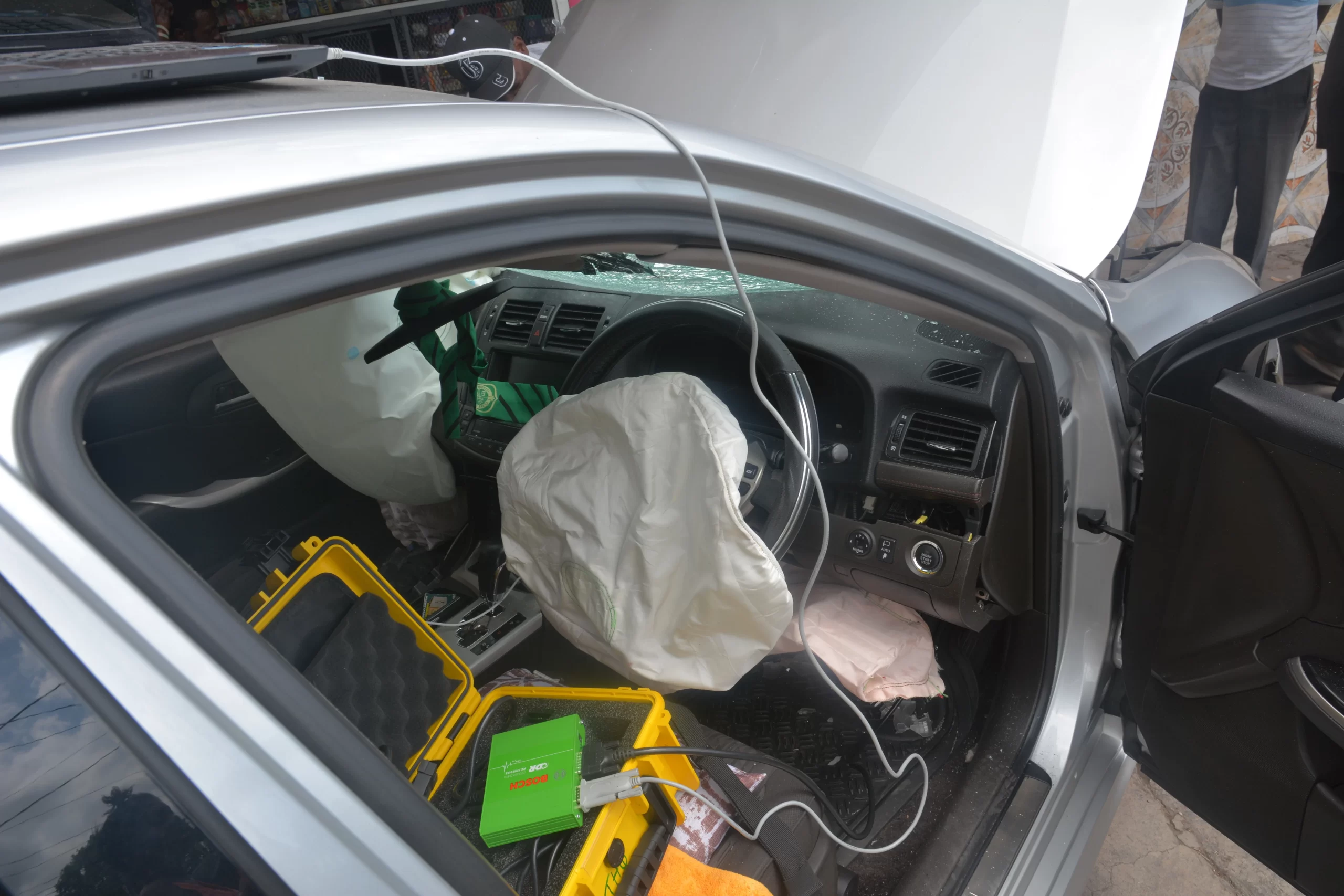
1. OBD-II Port / DLC Data Download

The most common method used by experts: we connect a certified Crash Data Retrieval (CDR) tool to your vehicle’s Data Link Connector (DLC) or OBD-II port. This non-invasive process retrieves speed, braking, steering wheel angle, throttle, and more—directly from the Airbag Control Module (ACM) without disassembly. It’s fast, reliable, and preserves all original crash metrics for accident reconstruction, legal evidence, and insurance analysis.
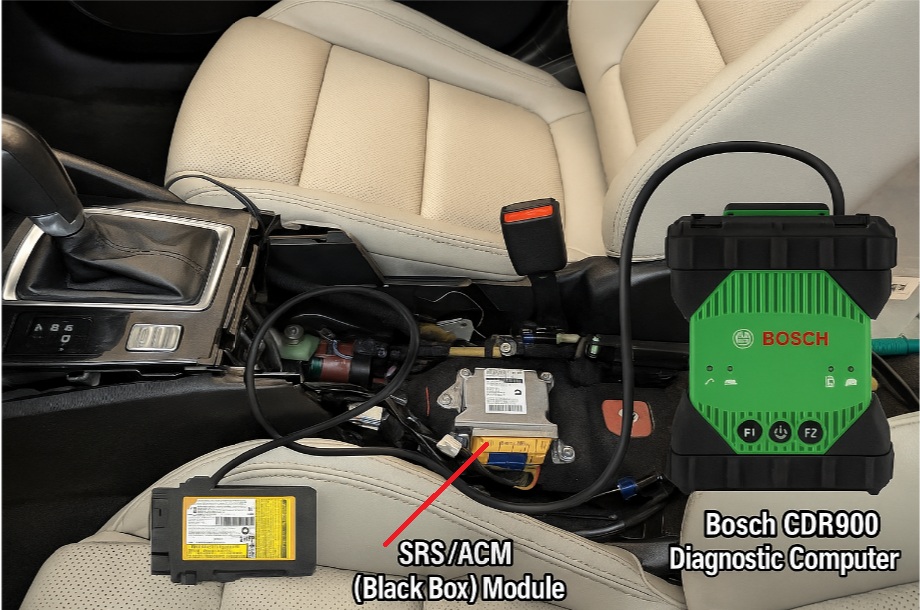
2. Direct-to-Module (D2M) Data Extraction

When the vehicle’s electrical system or engine bay is heavily damaged, we remove body panels or dashboards to access the Airbag Control Module directly. Using specialized CDR cables, we back-power the module (via fuse box or external battery pack) to boot the EDR circuitry, then extract stored crash data. This technique requires precise fuse identification (DLC fuse, SRS fuse) and, if needed, in-field wiring repairs to restore a stable connection.
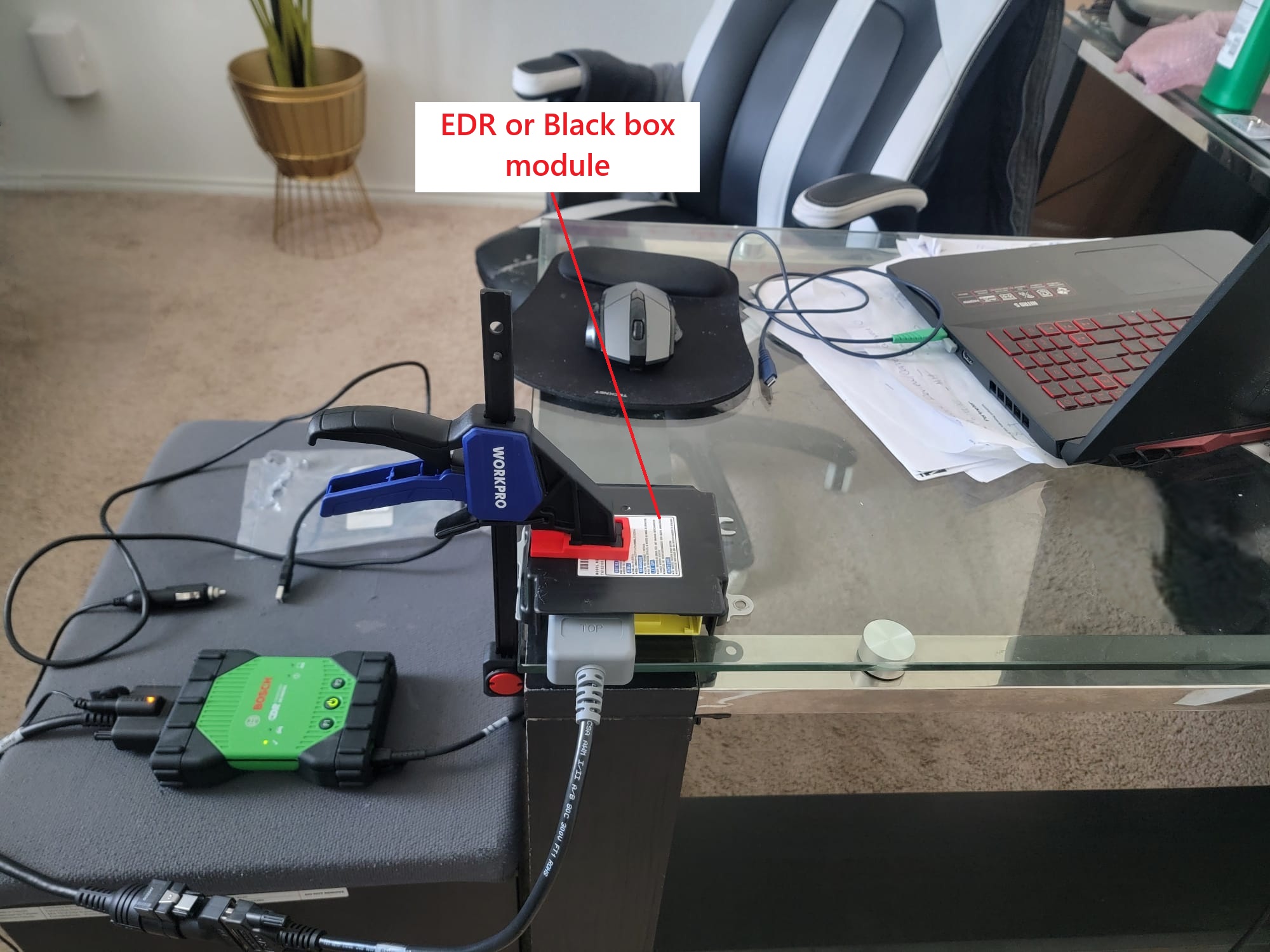
3. Bench / Table-Top Data Download & Imaging

For severely damaged, submerged, or burned vehicles, we carefully remove the EDR-housing Airbag Control Module (ACM) and mount it securely on a clean, insulated table. After inspecting and treating any moisture or fire damage, we apply controlled power and use forensic imagers to dump raw memory contents. This delicate process avoids overwriting original data; any new writes are logged, ensuring the integrity of braking, speed, and steering records for courtroom-ready exhibits.

EDR Data Retrieval Benefits | Crodymi LLC

Vehicle Systems We Extract EDR & Forensic Crash Data From: SRS Airbag • Rollover Sensors • ECU/PCM • Pedestrian Protection

SRS Airbag Icon

SRS Airbag System Data

Retrieve precise deployment timestamps, crash-severity flags, and sensor readings from the Supplemental Restraint System.

Rollover Sensor Icon

Rollover Sensor Events

Capture lateral acceleration and roll-rate data to determine exactly if and when a rollover occurred.
PCM Icon

PCM & Check-Engine Data

Extract engine RPM, throttle position, vehicle speed, and fault codes directly from the Powertrain Control Module.

PCM Icon

ECU/PCM Diagnostics & Event Data

Capture high-resolution engine RPM, throttle, vehicle speed, gear, fuel trim, misfire counts, freeze-frames, mode-6 diagnostics, persistent fault histories and codes.

Pedestrian Protection Icon

Pedestrian Protection Insights

Retrieve activations from pedestrian-detection systems to validate collision timing and impact localization.

Choose Your EDR or Black Box Data Services Today!!!

Minor or Undamaged Vehicles

The vehicle can start normally with a key or button.
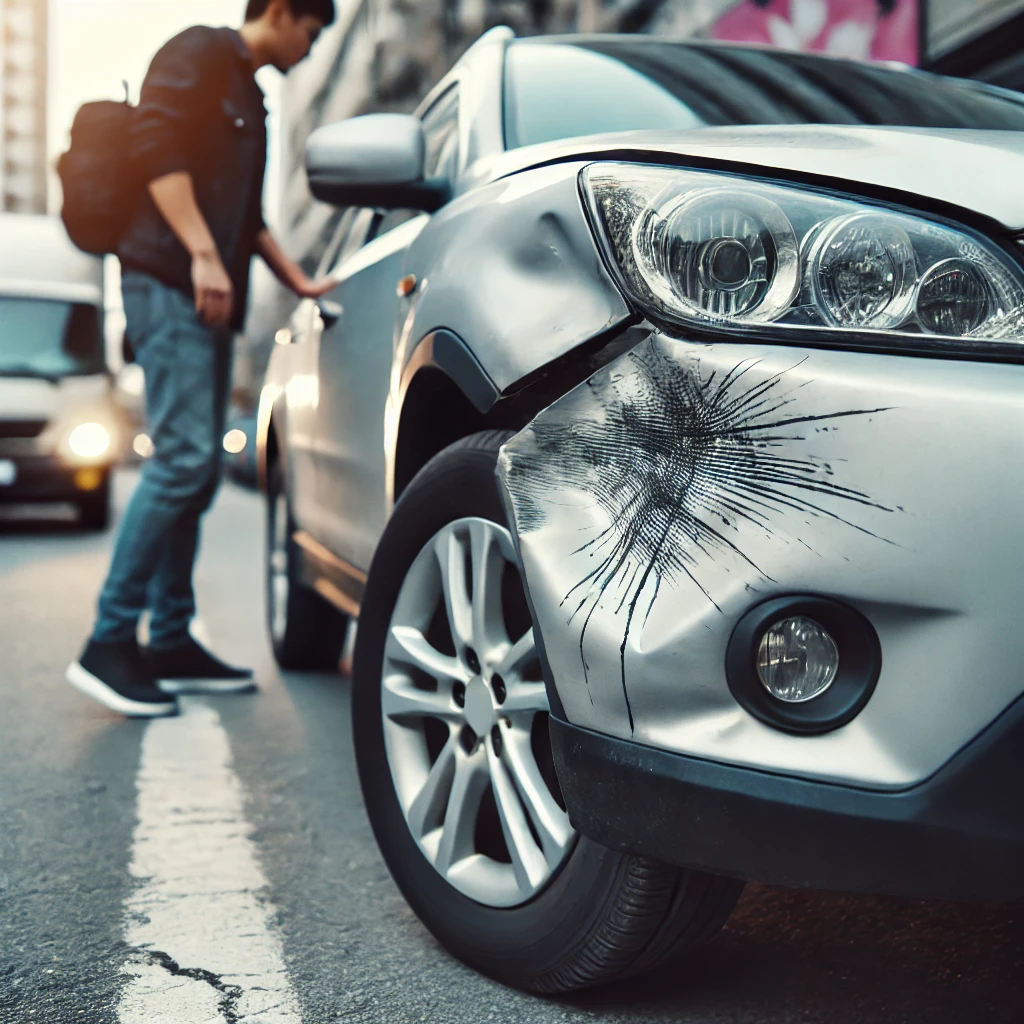

Minor Damage
  • $450: Expert visits vehicle location for data retrieval.
  • $300: Ship your EDR device to our lab and receive results.
  • $200: Data retrieval and expert analysis per recorded event.
  • Travel for on-site EDR retrieval is $0.70/mile, round-trip from dispatch, per IRS standard.
Minor QR Code Order now & get 15% off!
Moderately Damaged Vehicles

The vehicle may start but must at least power up.
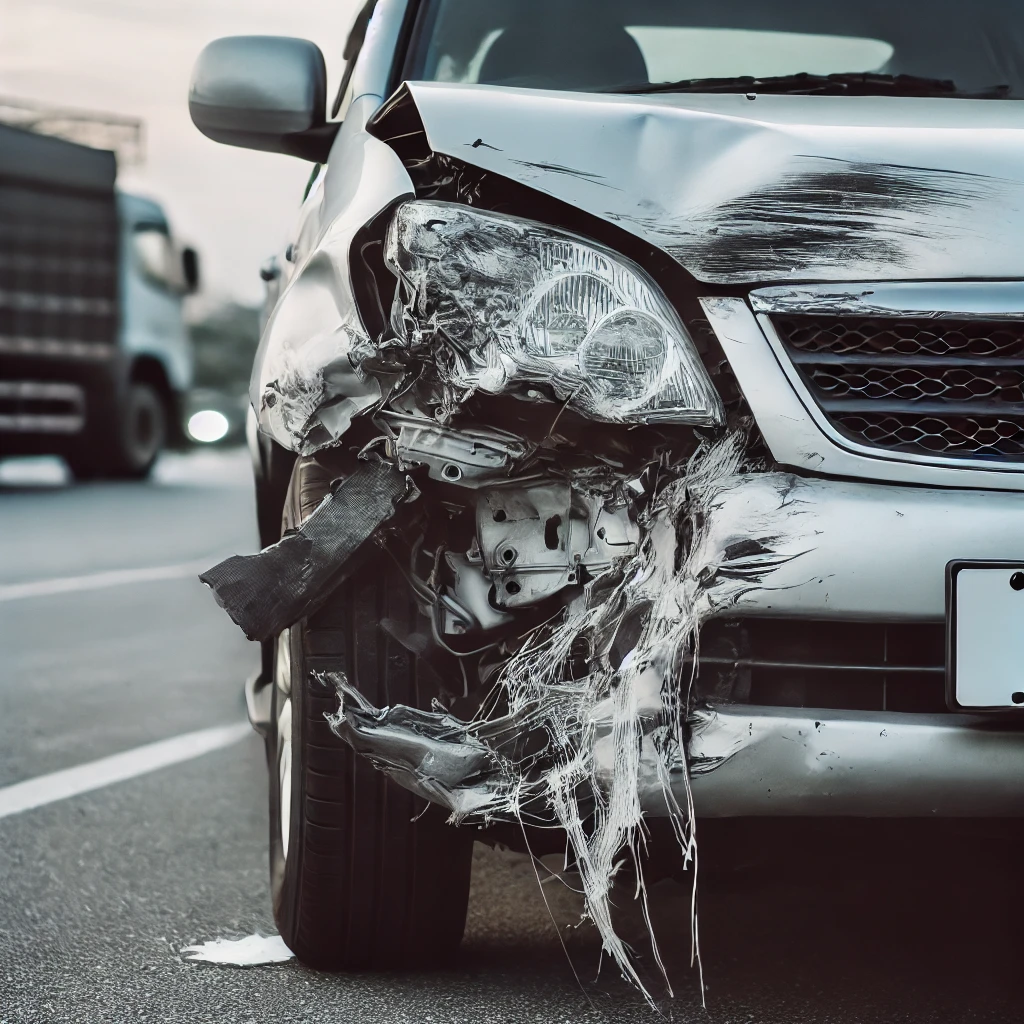

Moderate Damage
  • $500: Expert visits vehicle location for data retrieval.
  • $300: Ship your EDR device to our lab and receive results.
  • $250: Data retrieval and expert analysis per recorded event.
  • Travel for on-site EDR retrieval is $0.70/mile, round-trip from dispatch, per IRS standard.
Moderate QR Code Order now & get 15% off!
Severely Damaged Vehicles

The vehicle is incapable of starting due to severe damage.
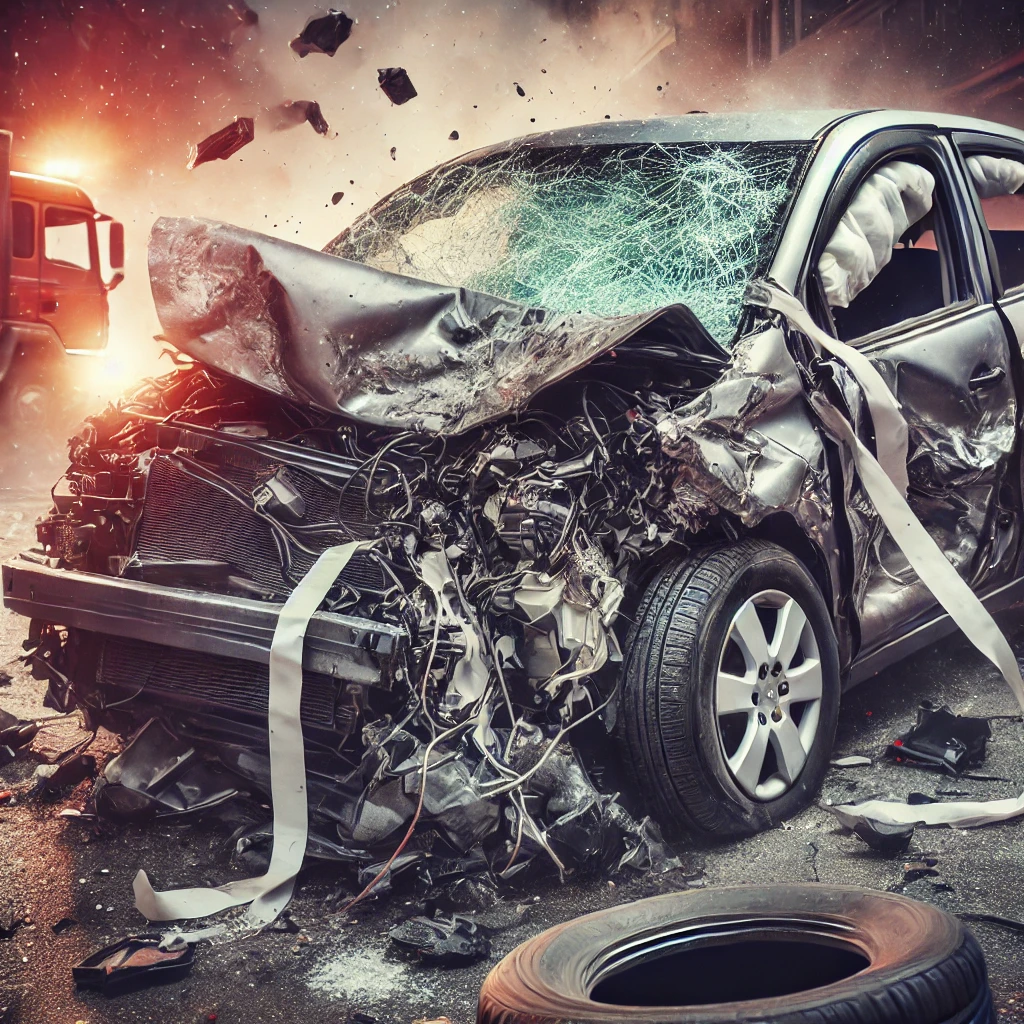

Severe Damage
  • $1000: Expert visits vehicle location for data retrieval.
  • $350: Ship your EDR device to our lab and receive results.
  • $300: Data retrieval and expert analysis per recorded event.
  • Travel for on-site EDR retrieval is $0.70/mile, round-trip from dispatch, per IRS standard.
Severe QR Code Order now & get 15% off!
Large Commercial Vehicles

Trucks, vans, buses, and other transport with an EDR device.


Commercial Vehicles
  • $2100: Expert visits vehicle location for data retrieval.
  • $1000: Ship your EDR device to our lab and receive results.
  • $500: Data retrieval and expert analysis per recorded event.
  • Travel for on-site EDR retrieval is $0.70/mile, round-trip from dispatch, per IRS standard.
Commercial QR Code Order now & get 15% off!

Get started

Start the process today — no upfront payment required. We’ll provide the service now, and you can settle the payment later.

Frequently Asked Questions

1. What exactly is an Event Data Recorder (EDR)?

An Event Data Recorder (EDR), commonly known as a "black box," is an electronic device built into the Airbag Control Module within the Supplementary Restraint System (SRS) of most modern vehicles. The EDR captures critical information during a crash event, such as vehicle speed, braking patterns, steering inputs, and impact severity. A key component of the EDR is the accelerometer, which measures the forces exerted on or by the vehicle during a collision, making it indispensable for accurate crash analysis and reconstruction..

2. How long does EDR data stay in the vehicle, and when should it be retrieved?

Crash data may be stored permanently or be overwritten after a certain number of ignition cycles, system resets, or a subsequent crash event. That’s why it’s crucial to retrieve the data as soon as possible—ideally immediately after the collision—to ensure data integrity and avoid potential loss. However, if the EDR (black box) remains undisturbed and is not exposed to extreme conditions such as fire, water submersion, excessive heat, or electrical surges, the recorded data can remain intact for the lifetime of the module.

3. Can data be retrieved if the vehicle’s electrical system is damaged?

Yes, using Direct-to-Module (D2M), bench-top, or table-top imaging methods, we can retrieve data even from severely damaged vehicles. In some cases, we also perform repairs to the black box itself—such as fixing damaged circuit boards, broken conductor poles, or compromised connectors—to enable successful data extraction.

4. Will EDR retrieval damage my vehicle?

No, the retrieval process is non-destructive, careful, and conducted professionally.

5. Is EDR data admissible in court?

Yes, EDR data is widely recognized and admissible as reliable evidence in legal proceedings.

6. How long does the retrieval process take?

Typically, data retrieval takes between 30 minutes to 2 hours, depending on vehicle condition.

7. Can you retrieve data from a burned or submerged vehicle?

Yes, with special handling and repairs, data can often still be recovered, though severe damage may limit results.

8. What if my vehicle’s battery is dead?

We recharge the cars battery, use an external power source or back-power the module externally, ensuring successful data extraction despite electrical issues.

9. Do you provide a detailed report after data retrieval?

Yes, we provide comprehensive analysis and clearly explained reports suitable for legal and insurance purposes.

10. Can I retrieve EDR data myself?

It requires specialized equipment and expertise; professional retrieval is strongly recommended.

11. What vehicles have EDR?

Most vehicles manufactured after 2007 are equipped with an Event Data Recorder (EDR), though many makes began implementing them earlier. The National Highway Traffic Safety Administration (NHTSA) has required EDR standardization for certain models since 2012. Today, nearly all mainstream U.S. vehicles include some form of EDR functionality, especially among major brands.

Make: Ford

EDR Since: 2001–2005

Notes: Full EDR compliance by 2012

Make: Toyota

EDR Since: 2004–2007

Notes: Supported in most sedans, trucks, SUVs

Make: Chevrolet

EDR Since: 2001–2004

Notes: Strong GM-wide support

Make: Honda

EDR Since: 2005–2007

Notes: Broad EDR adoption; strong crash data

Make: Ram

EDR Since: 2004–2007

Notes: Chrysler models included

Make: Nissan

EDR Since: 2006–2008

Notes: Available in Altima, Rogue, etc.

Make: GMC

EDR Since: 2002–2004

Notes: EDR supported across fleet

Make: Hyundai

EDR Since: 2006–2010

Notes: Growing EDR coverage across years

Make: Jeep

EDR Since: 2006–2008

Notes: Wrangler, Grand Cherokee included

Make: Kia

EDR Since: 2008–2011

Notes: Varies by model; newer fully supported

Make: Dodge

EDR Since: 2004–2007

Notes: Compatible with Bosch tools

Make: Subaru

EDR Since: 2008–2010

Notes: Consistent EDR presence in recent models

12. Do insurance companies accept EDR data?

Yes, insurance companies regularly use EDR data for claims investigations.

13. Are there vehicles that don’t record crash data?

Yes, some vehicles either lack EDR systems or their systems do not trigger in minor collisions.

14. Is your team certified to perform EDR data retrieval?

Yes, our specialists are fully certified, trained, and experienced in crash data retrieval.

15. How much does EDR data retrieval service cost?

Costs vary based on vehicle complexity and damage severity. Contact us for a precise quote tailored to your situation.

16. Can EDR data identify which vehicle struck first in multi-car crashes?

Yes, EDR data provides precise crash timing and impact sequences, clearly showing which vehicle initiated the collision.

17. Can EDR data help investigate single-vehicle crashes without witnesses?

Absolutely, EDR reveals crucial data about driver actions, vehicle speed, braking, steering, and events leading to the crash.

18. Does EDR data indicate drunk driving behavior?

While EDR doesn't directly measure alcohol, erratic driving patterns, sudden braking, or inconsistent speed often help support intoxication claims.

19. Can EDR data confirm a vehicle’s lane position before a crash?

Yes, analyzing steering angle, alignment data, and vehicle speed from the EDR can clearly show lane position and driver intentions.

20. Can EDR determine who was driving during the crash?

Yes, seat occupancy sensors recorded by EDR help confirm driver position and occupancy at the time of the collision.

21. Can EDR data show evidence of a physical altercation inside the vehicle?

Indirectly, yes. Sudden, unexplained steering inputs, braking, or vehicle movements can suggest struggles or distractions within the vehicle.

22. Can EDR data demonstrate if a driver attempted collision avoidance?

Yes, EDR captures braking, steering, and throttle input data, clearly indicating avoidance maneuvers attempted before impact.

23. Can EDR data disprove false insurance claims?

Definitely, objective EDR data can validate or refute statements regarding speeds, braking actions, and collision circumstances.

24. Is EDR helpful in determining fault in intersection collisions?

Yes, EDR provides critical evidence such as vehicle speed, braking, and timing, helping reconstruct intersection and junction crashes clearly.

25. Does EDR data provide clarity in pedestrian-involved collisions?

Absolutely, EDR shows vehicle speed, braking response, and driver reaction, crucial for pedestrian accident investigations.

Get started

Start the process today — no upfront payment required. We’ll provide the service now, and you can settle the payment later.

Crodymi