
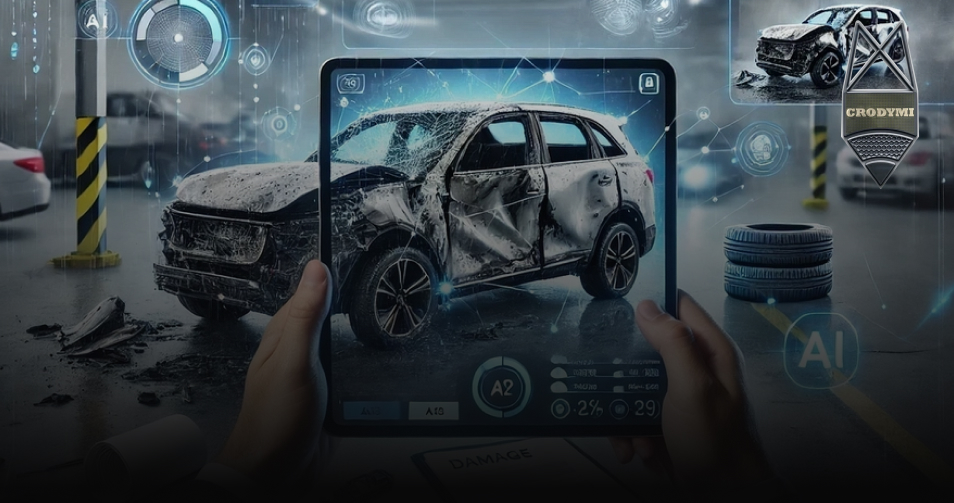
Modern vehicles are becoming more advanced every year, and the way repairs are evaluated is changing just as quickly. In the past, people relied only on what a mechanic could see or guess during an inspection. Now, tools and smart diagnostics are giving drivers a much clearer picture of what their car needs. This shift matters because it helps vehicle owners understand repairs better and make confident decisions about their car and budget. As technology continues to grow, digital repair estimates are becoming an essential part of keeping vehicles safe, reliable, and affordable to maintain.
The Changing Landscape of Repair Estimates
Vehicle owners have witnessed a major shift in the way repair estimates are created. Auto repair shops, insurers, and investigators now rely on advanced technology to produce faster, more accurate results. The future of repair estimates brings a level of clarity and control that past systems lacked. People now expect to get real-time information, transparent pricing, and reliable data instead of vague numbers that change once the repair begins.
This shift is fueled by modern automotive repairs and digital tools. Artificial intelligence, high-resolution imaging, connected cars, and smart diagnostic platforms all play a part in reshaping how the industry handles repair evaluation. The future of repair estimates highlights an important truth. Vehicle owners deserve precise numbers so they can make informed decisions about their car, budget, and safety.
Traditional vs Modern Repair Estimates
Traditional repair estimates usually involved a mechanic visually inspecting the vehicle, checking for damage, writing down labor hours, and calculating parts costs by hand. These methods often caused inconsistencies. Two shops could look at the same damage and give completely different quotes. Delays, hidden charges, and misunderstandings were common.
Modern repair estimates use digital repair estimates supported by AI systems, cloud tools, and automated workflows. A technician can now capture photos or videos, upload them into a system, and receive an instant analysis. Smart vehicle diagnostics can detect internal issues that the naked eye cannot see. Vehicle owners get more consistent and trustworthy results in far less time. Here is a comparison table:
| Aspect | Traditional Repair Estimates | Modern Digital Repair Estimates |
| Inspection Method | Visual inspection by a mechanic is limited to what can be seen. | Photos, videos, and digital scans are analyzed by AI and diagnostic tools. |
| Accuracy | Can miss hidden damage; results vary from shop to shop. | Detects internal and hard-to-see issues using smart diagnostics. |
| Consistency | Estimates often differ between technicians and repair shops. | More consistent results because the system uses standardized data. |
| Speed | Manual checking and calculation take longer. | Instant or near-instant estimates using automated workflows. |
| Transparency | Higher chance of misunderstandings, hidden charges, or unclear steps. | Clear breakdowns of parts, labour, and repairs with digital records. |
| Convenience | Requires in-person visits and physical paperwork. | Can be done remotely through uploads and cloud-based tools. |
| Overall Experience | Slower, less predictable, and more prone to errors. | Faster, more accurate, and easier for vehicle owners to trust. |
Why This Shift Matters for Vehicle Owners
Vehicle owners want accuracy, honesty, and convenience. Modern systems meet all three needs. AI repair estimate tools can help reduce inflated pricing. Since everything is tracked and verified, digital reports also store photographic evidence and diagnostic data, helping owners understand what needs attention and what does not. This clarity helps prevent surprises at the repair shop and gives people the confidence to approve work without worrying about overcharging.
What Are Modern Digital Repair Estimates?
Digital repair estimates use software, mobile apps, and automated systems to evaluate damage and calculate repair costs. These tools rely on detailed data rather than guesswork. People can receive online car repair quotes with high accuracy because the systems track current prices for parts, materials, and labor.
How AI and Automation Are Transforming the Process
AI and automation now play key roles in the repair estimation process. Algorithms can evaluate photos and detect even small dents or cracks. Some systems scan vehicle panels pixel by pixel. Others look at crash data stored in the car’s onboard computer. Automated damage detection helps technicians avoid overlooking important structural problems.
Smart systems also speed up calculations. Labor times, part numbers, and repair procedures update in real time. Body shops no longer need to manually check every detail. Collision repair estimate tools reduce the workload while improving accuracy.
Key Features of a Digital Repair Estimate
Digital repair platforms usually include features like:
- High-quality imaging for photo-based vehicle analysis
- Automated pricing models based on real market data
- Integrated labor databases
- Smart diagnostics that detect hidden issues
- Real-time repair estimates that reflect current part availability
- Interactive reports that explain the repair in simple language
Benefits of Digital Estimates Over Manual
The benefits of digital estimates go far beyond convenience. Vehicle owners can now receive car repair costs with more accuracy because the software uses verified data. Additionally, it is also greatly beneficial for:
- Repair shops can save time
- Insurers can reduce disputes
- Customers can stay informed
Many digital systems also store records online. This not only improves repair cost transparency but also helps people track vehicle history when selling a car. These benefits also include faster service, fewer human errors, and easier communication between shops, insurers, and customers.
Why Accurate Repair Estimates Are More Important Than Ever
Accurate repair estimates are more important today than ever before because the cost of vehicle repairs keeps going up each year. Modern cars are full of advanced sensors, cameras, and complex computer systems. Having a precise estimate helps vehicle owners know what to expect and make smart decisions about their car and budget.
Rising Repair Costs and Parts Shortages
The price of fixing vehicles continues to rise due to increasingly complicated technology and unpredictable availability of parts. Even a minor accident can affect costly components like radar sensors, camera systems, or calibration equipment. Supply chain delays and fluctuations in parts prices can make repairs take longer and cost more. Accurate repair estimates give vehicle owners a clear idea of what repairs will cost and allow them to plan ahead, avoiding unexpected bills and last-minute surprises.
Transparency and Trust for Vehicle Owners
Due to inexperience, many people worry about being misled at repair shops. Digital systems improve trust by offering clear, visual proof of the work needed. Vehicle owners can see exactly what happened and why a fix is required. This level of transparency was rarely possible before digital tools appeared.
Reducing Disputes with Insurance Companies
Insurance companies can question repair costs when they think something was miscalculated. Digital estimates reduce such disputes because AI systems document every detail. Automated data also improves insurance repair workflows, which helps claims move forward much faster.
Technologies Shaping the Future of Repair Estimates
Many new technologies work behind the scenes to build accurate repair assessments.
AI-Powered Damage Detection
AI-powered damage detection uses advanced algorithms to compare vehicle images to thousands of examples. The system identifies cracks, dents, misalignment, and bumper damage with high precision. This helps technicians catch issues that might be easy to miss during a physical inspection.
Photo-Based and Video-Based Inspection Tools
Photo and video inspection tools give remote teams the chance to review the damage without being physically present. These tools support virtual inspections for quick assessments or second opinions. They also help body shops prioritize repairs and reduce wait times.
Predictive Analytics for Cost Forecasting
Predictive analytics for repairs can evaluate long-term damage risks ahead of time. For example, if a certain part is likely to fail soon, the system may highlight it during the estimate. This helps vehicle owners plan maintenance and budget more effectively. It also supports better car maintenance forecasting for fleets and daily drivers.
Connected Car Data and Telematics Integration
Many vehicles now come with systems that can store important information that can help with repair assessment. Telematics systems collect crash data, mileage, warning codes, and system performance details. This information supports early issue detection and allows technicians to create more accurate reports. Connected car platforms also communicate data through secure cloud-based repair systems that update instantly.
How Digital Tools Improve Vehicle Owner Experience
Digital tools can give drivers the confidence they need by offering faster, clearer, and more reliable insights.
Faster Turnaround Times
Instead of waiting hours or days for a mechanic to inspect the car manually, digital systems generate reports within minutes. Mobile estimate apps allow technicians to upload photos and produce a quick response while the customer waits.
More Accurate Cost Predictions
Vehicle repair cost prediction tools rely on real-time market data. These systems check for part availability and average labor times across the industry. The result is a stable estimate that reduces unexpected adjustments during repairs.
Eliminating Hidden Charges
Hidden charges tend to frustrate vehicle owners. Digital systems show a breakdown of every labor task and component. Automated pricing models help eliminate guesswork and provide a clear explanation of costs. This improves the repair cost comparison between shops.
Convenience Through Mobile Apps
Mobile tools let people request estimates from home. They simply take photos, answer a few questions, and submit the request. The digital customer experience becomes smoother because everything is accessible on a phone or tablet.
The Role of Automation in Repair Shops and Insurance Companies
Automation helps both sides operate more efficiently.
Faster Claims Processing
Insurers benefit from automated systems because claims move faster. Instead of waiting for forms to be filled out by hand or for documents to be mailed back and forth, data moves directly from the repair shop to the insurance platform.
Reduced Human Errors
Automation reduces mistakes caused by manual input. Systems calculate values based on verified data and follow strict guidelines, which improves accuracy.
Standardized Pricing Models
Standard pricing creates fairness across the industry. Automated systems ensure shops follow the same rules for labor and parts. This reduces inflated estimates and protects vehicle owners.
Why Vehicle Owners Should Adopt Modern Repair Estimate Tools
People who use digital estimates often save time and money.
Saving Money with Early Detection
Small issues become big problems if ignored. Early detection prevents costly repairs later. AI-based tools identify problems before they become dangerous or expensive.
Understanding Long-Term Maintenance Costs
Digital reports can also track patterns that help owners plan routine maintenance. Maintenance planning tools allow drivers to avoid emergency repairs and budget more effectively.
Reducing the Risk of Overcharging
Digital systems make pricing clear. Customers can compare repair estimates easily and choose a shop that fits their budget. Car repair cost accuracy improves because everything is backed by data.
Crodymi LLC’s Role in the Future of Repair Estimates
Crodymi LLC combines scientific analysis, advanced digital tools, and years of hands-on experience to deliver accurate and reliable repair assessments. Our team carefully reviews crash data, inspects vehicle structures, and uses the latest diagnostic technology to provide evaluations that you can trust. Drivers, attorneys, insurance companies, and organizations rely on our insights to make well-informed decisions and to produce results that hold up under scrutiny.
If you want to learn more about how our services can help create stronger, more dependable repair estimates or support thorough accident reconstruction, check out our specialized pages for:
- Scene Mapping Services
- Infotainment Systems Data
- Scaled Drawings & Sketches
- Expert Forensic Scene Mapping Services: Crime, Crash, Workplace & Commercial Sites
Real Examples of How Digital Estimates Help Vehicle Owners
The situations below are not actual case studies. They are simple, everyday examples that show how digital repair estimates can make life easier for drivers, businesses, and anyone who relies on their vehicle.
Example 1: More Accurate Repair Estimates After a Collision
Suppose a driver gets into a small accident; the car still looks mostly fine, so a normal visual check might only show a few scratches or a slightly dented bumper. If the shop relied only on what they could see, they might miss deeper problems hiding behind the bumper.
A digital estimation system works differently. The driver uploads photos, and the AI scans every detail. It spots bumper misalignment and early signs of structural damage that are not obvious to the naked eye. The shop updates the estimate based on this information and performs the correct repairs.
This kind of digital check helps prevent bigger problems later, such as uneven tire wear, poor alignment, or parts coming loose. A simple digital estimate, in this situation, can save the driver from future headaches and extra repair bills.
Example 2: Lower Repair Costs for Small Business Fleets
Picture a small company that uses a handful of vans for deliveries. It wants to avoid sudden vehicle breakdowns because every hour off the road means loss of income. Instead of waiting for warning lights or strange noises, the company uses digital diagnostic tools to monitor the vehicles regularly.
Predictive features in these tools spot unusual patterns in sensor data, such as calibration issues in one of the vans. Even though the driver has not noticed a problem yet, the system flags it early. The fleet manager sends the van in for a quick check, and the mechanic fixes the issue before it becomes a major system failure.
Because the problem was caught early, the company avoided a costly emergency repair and kept the van on the road. Over time, small savings like this add up, helping the business avoid thousands of dollars in unexpected expenses.
Example 3: Early Detection of Mechanical Issues for Everyday Drivers
If a driver hears a light vibration or feels a small shake while driving, and they are not sure what it is, but the car still runs fine, they might just ignore it and hope it goes away. Instead, the driver uses a digital diagnostic tool to check for issues.
The system reviews the engine data and suggests bringing the car in for an inspection. The mechanic later finds worn components that were close to failing. Fixing them early is simple and inexpensive. Leaving them untouched would have led to a major breakdown and much higher repair costs.
This kind of early warning gives drivers peace of mind. It helps them understand what is happening with their car before the problem becomes serious. It also reduces stress because they can plan the repair instead of dealing with an emergency situation.
Future Predictions: What Comes Next for Repair Estimates?
Fully Automated Repair Shops
Future repair centers may rely heavily on robotics for inspection and diagnostics. Automation would shorten service times and improve accuracy.
Integration with Smart Vehicles
Newer cars generate large amounts of data. Repair systems will use this data to update estimates instantly. Smart platforms will alert owners to problems before they worsen.
Real-Time Cost Updates Based on Market Data
Real-time pricing will continue to improve. Systems may track parts inventory, labor supply, and market demand to offer the most accurate estimate possible.
How to Choose the Best Repair Estimating Tool or Service
Look for AI or Predictive Features
AI systems detect hidden problems and offer proven accuracy.
Ensure Transparency in Pricing
Choose a tool that shows clear explanations of labor and parts.
Check Compatibility with Your Vehicle
Some tools work best with certain makes or models.
Look for Customer Reviews and Certifications
Trusted providers offer certifications and strong client feedback.
Conclusion
Getting a repair estimate used to feel stressful and confusing. Now, with accurate digital tools, everything is clearer, faster, and fairer. You can see the damage for yourself, understand exactly why certain repairs are recommended, and feel confident you’re not being overcharged. AI and smart photo analysis are changing the game for the better, making the whole process less of a headache and more transparent for everyone.
If you want an estimate you can actually trust, reach out to Crodymi LLC today. Our team mixes the latest technology with years of hands-on shop experience to give you honest, reliable answers about your car. We’re here to save you time, money, and worry, so you can get back on the road with total peace of mind.
Frequently Asked Questions
How accurate are AI-based repair estimates?
They’re really accurate in real-world use. The reason is simple: these systems pull from huge databases of real repair data, look at super-clear photos you take, and run smart diagnostics that spot things even experienced techs might miss at first glance.
Can digital estimates replace physical inspections?
For most everyday damage, a digital estimate is plenty good enough and often spot-on. That said, if the damage is hidden under the surface, involves the frame, airbags, or weird electrical problems, nothing beats having a technician put the car on a lift and check it in person.
Are online repair estimates accepted by insurance companies?
Yes, almost all major insurance companies now accept them happily, as long as the report comes with clear, date-stamped photos, a detailed description, and is generated by a trusted platform. Many insurers actually prefer digital estimates because they get the claim moving faster.
What information do I need to get a repair estimate?
It’s pretty straightforward. You’ll usually need a few good photos from different angles, a quick explanation of what happened or what you’ve noticed, your car’s year, make, model, and mileage, plus any warning lights on the dashboard or error codes if you have them. The more details you give, the sharper the estimate will be.
Is Crodymi estimation system reliable?
Yes, very. Crodymi LLC combines battle-tested industry software, real mechanics and appraisers who double-check everything, and processes that have been refined over thousands of jobs. You’re not just getting a computer guess; you’re getting a professional opinion backed by solid tech.
Do digital tools reduce repair time?
Absolutely. Instead of waiting days for someone to come look at your car, the shop gets everything up front. That means parts can be ordered sooner, the claim gets approved quicker, and your car spends less time sitting in the shop.
How do photo-based estimates work?
You snap pictures with your phone (the app usually guides you on angles and what to shoot). The software studies every pixel, measures the damage, compares it to thousands of similar repairs, and figures out exactly what parts and labor are needed. It’s surprisingly smart.
Are digital repair estimates more expensive?
Actually, they’re usually cheaper. There’s no travel fee for an adjuster, no waiting around for an in-person appraisal, and the shop saves hours of manual measuring and writing. A lot of that savings gets passed on to you.