
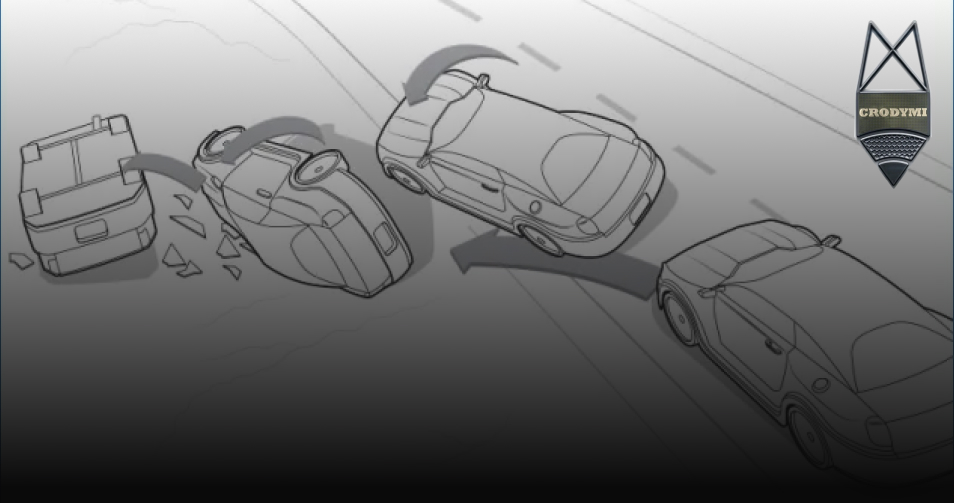
Precise accident sketches are among the most powerful tools in crash reconstruction. They tell the story of how a collision happened, where each vehicle was positioned, and what environmental factors might have contributed to the crash. For legal, insurance, or investigative purposes, a properly made sketch can determine liability, support expert testimony, and ensure that evidence is represented clearly and accurately.
This comprehensive guide explains how to create legally valid accident sketches step by step. It highlights which details matter most, the legal standards you must meet, and how professionals, such as motor vehicle accident experts, use these drawings to support their findings in court or insurance reviews.
Understanding the Importance of Legally Valid Accident Sketches
What Is an Accident Sketch and Why Does It Matter?
An accident sketch is a visual record that shows exactly what happened during a crash. It helps investigators, lawyers, and insurance adjusters understand how the accident occurred, where each vehicle was positioned, and what might have caused the collision.
A clear, well-made sketch can turn complex details into visual evidence that anyone can understand. It helps explain how and why an accident occurred.
How Accident Sketches Help in Investigations?
Every small detail in a crash tells part of the story. The road layout, skid marks, debris, and traffic lights all help experts reconstruct what happened. When these details are drawn accurately, investigators can confidently recreate the event through diagrams, models, or even courtroom animations.
| Detail | Why It Matters |
| Vehicle positions | Show direction, speed, and impact points |
| Skid marks and debris | Indicate braking, collision angle, and force |
| Traffic signs and signals | Help identify right-of-way and driver errors |
| Environmental conditions | Affect visibility and road safety |
These visuals make it easier for courts, insurers, and experts to understand the sequence of events without confusion.
What Makes a Sketch Legally Valid?
A sketch isn’t automatically valid just because it looks detailed. For it to be legally accepted, it must meet three main standards set by the Federal Rules of Evidence in the United States:
| Legal Standard | Meaning |
| Relevance (Rule 401) | The sketch must relate directly to the case. |
| Reliability (Rule 702) | It must be based on accurate, measurable data. |
| Verifiability | The details must be proven through facts and evidence. |
The more precise and factual the sketch, the stronger it becomes in legal and insurance proceedings.
The Difference Between Rough and Legally Valid Sketches
Rough sketches are quick field drawings made at the scene. They capture early impressions but are not ready for court use. Legally valid sketches, on the other hand, are drafted after being carefully measured, scaled, and labeled. Such measurements include:
- Accurate distances between vehicles
- Clearly marked directions
- Consistent symbols and legends
- Labels for roads, landmarks, and traffic signals
A small error in the sketch can weaken an entire case. That’s why investigators and motor vehicle accident experts verify each detail before the sketch is submitted.
Where Accident Sketches Are Used
Accident sketches are used in far more situations than just car crashes. They are also crucial in documenting:
- Workplace incidents
- Pedestrian or cyclist collisions
- Commercial vehicle accident reconstruction, where larger vehicles require more complex analysis
In all cases, these sketches serve as a visual timeline, connecting facts, measurements, and physical evidence into a single clear illustration.
Essential Elements Every Accident Sketch Must Include
Every valid sketch of an accident scene must clearly show all important details. Missing crucial elements can lead to confusion or cast doubt on the evidence. Some courts might view an unclear or incomplete sketch as an obstruction of justice.
A sketch needs to include all the following components to meet legal and investigative standards:
1. Basic Scene Information
Each sketch should start with essential details:
| Detail Type | Information to Include | Why It Matters |
| Date, Time, and Location | The exact date, time, and address or intersection where the accident occurred. | Provides context for when and where the event took place, helping match evidence with witness statements and reports. |
| Investigators or Officers | Full names and badge numbers of all officers or investigators present. | Ensures accountability and allows others to verify who collected the information or prepared the sketch. |
| Weather, Lighting, and Road Conditions | Note if it was raining, foggy, dark, or if the road was wet, icy, or uneven. | These factors directly affect visibility, stopping distance, and driver reaction time, i.e., key elements for accurate analysis of how the accident happened. |
2. Vehicle Positions
Every accident sketch should clearly show exactly where each vehicle stopped and where the impact happened. These positions are often indicated by the use of arrows that mark directions and points of contact. Each element in the accident sketch should be drawn to scale, so that the distances match real-world measurements.
3. Reference Points and Measurements
The foundation of a reliable accident sketch is based on precise dimensions and measurements. Investigators often use fixed objects as reference points. These include lamp posts, road signs, or curbs. Such landmarks make it possible to check or recreate the sketch later. Using scaled tools or proportional diagrams helps keep everything precise when preparing final reports.
4. Skid Marks, Debris, and Impact Points
Skid marks show how and when drivers hit the brakes. Debris helps identify the direction and force of the crash. Including both details gives the motor vehicle accident expert a clearer picture to calculate speed, stopping distance, and the angle of the collision.
5. Traffic Control Devices
Mark all stop signs, traffic lights, lane dividers, and crosswalks correctly. These details are important because their positions can reveal driver behavior and help determine who was at fault in the accident.
6. Scale, Legend, and Orientation
An accident sketch should include a clear and detailed legend that explains all symbols used within the drawing, allowing viewers to easily understand the various elements represented.
In addition, incorporating a north arrow is essential for indicating direction, which provides important context regarding the orientation of the scene.
7. Notes and Annotations
Short notes should be used to make the overall accident sketch clearer. These notes can include any details like wet road, poor lighting, or a tree blocking the view. They add useful context that helps reviewers better understand the scene.
Step-by-Step Process to Create a Legally Valid Accident Sketch
Investigators must follow a structured process to ensure the sketch withstands legal and technical scrutiny.
The following steps allow investigators and analysts to produce reliable sketches that align with legal standards and withstand detailed examination in court or insurance investigations:
Step 1: Secure and Observe the Scene
Before they begin drawing, investigators must ensure the scene is safe and that evidence is not disturbed. The entire incident area must be inspected beforehand. Notice the layout of the road, the positions of the vehicles, and how the weather might have affected the crash. Take several photographs from different angles. These pictures will be very useful later when you’re refining or comparing details in the sketch.
Step 2: Record Essential Information
Write down everything, including details such as street names, traffic signals, vehicle types, number plates, points of impact, and where witnesses were standing. These notes will help you convert your rough sketch into a clear, accurate digital diagram of the incident. The more you record at this stage, the more reliable your sketch will be later.
Step 3: Take Measurements
Accurate measurements are the foundation of a legally valid sketch. Use measuring tools such as tapes, lasers, or GPS devices to ensure precision. Always take measurements from fixed reference points to maintain consistency if others need to verify your work.
Double-check all key distances, especially the separation between vehicles, the length of skid marks, and the width of the road or intersection.
Step 4: Draw the Rough Sketch
Once measurements have been successfully recorded, begin with a rough hand-drawn layout of the accident sketch. This should capture the key elements of the scene, like vehicle positions, lanes, signals, and surrounding objects. Keep the drawing simple but proportionate.
Label each vehicle for clarity, use directional arrows to show movement, and include numbered references that connect to your notes. This initial hand sketch often becomes the basis for the digital version prepared later.
Step 5: Transfer to Scale
After collecting all the data, it is now time to convert the hand sketch into a scaled drawing. Choose a scale ratio, and apply it consistently throughout the diagram. The goal is to ensure the sketch accurately reflects real distances and proportions so that others, including experts and attorneys, can reproduce the scene.
If you wish to get additional insights on how to maintain proper proportions and scale, explore our guide on Scaled Drawings and Sketches.
Step 6: Add Scene Details
Next, fill in all the fine details. Add skid marks, debris, traffic signs, and any visible damage. It should also include environmental factors that could have contributed to the collision. Label each object in your accident sketch clearly and include a legend explaining the symbols used in the drawing. Clean, consistent linework will help prevent confusion in the court and make the layout easier to understand.
A detailed sketch may even deter the other party from going to court. In some cases, after receiving a professionally drawn sketch in the discovery, many people choose to settle out of court.
Step 7: Review and Verify
Compare your drawing with the original measurements, notes, and photographs to verify everything. Make sure distances, angles, and object placements are correct. If possible, ask another investigator or a certified motor vehicle accident expert to review the accident sketch.
Although it is not recommended to attempt to make an accident sketch on your own, if you end up drawing it, get it verified by a professional. Independent verification not only strengthens credibility but also ensures no important element has been missed.
Step 8: Digital Conversion
Once the hand sketch is complete and verified, convert it into a digital format using professional software. Digital sketches are easier to update and share, and allow more precision. They can also integrate data from other sources, such as drones, dashcams, or vehicle sensor logs, to create a richer, more reliable representation of the accident scene.
Step 9: Attach to Reports
When the digital sketch has been finalized, attach it to the official accident report. The report should reference the sketch directly, describing specific details such as “Vehicle A travelling northbound” or “impact occurred 20 feet west of the intersection centerline.” A complete report combines written and visual information, providing investigators, lawyers, and insurers with a comprehensive and defensible account of what happened.
Step 10: Maintain Secure Records
Finally, all the sketches, their notes, and other digital files are stored securely in the least resistant file-naming system and maintain proper data backups.
Secure recordkeeping ensures that evidence remains accessible for future audits, appeals, or court use. Keeping your documentation well-organized and safe is just as important as the accuracy of the sketch itself.
Reviewing, Validating, and Presenting Your Sketch for Legal Proceedings
Once a sketch is complete, it needs to be reviewed and validated by a professional so that it can be confirmed as legally admissible. This step involves both technical and procedural checks.
Accuracy and Validation
Any inconsistencies between the physical evidence and the sketch can raise questions in court. Validation of an accident sketch in the eyes of a court includes confirming measurements, checking reference points, and verifying annotations.
In many cases, teams collaborate with certified experts in commercial vehicle accident reconstruction or traffic analysis to ensure every dimension aligns with recorded data.
Legal Review and Standards
A sketch can be admissible in court if it complies with the specific legal standards set by the state. These standards are primarily governed by the Federal Rules of Evidence in the USA, which emphasize:
- Relevance
- Reliability
- Expert validation
Generally, courts will accept digital sketches when they are supported by expert testimony and are derived from dependable sources, such as photographs or sensor data.
To understand how proportion and precision influence courtroom acceptance, visit our detailed guide on “The Role of Scaled Drawing and Sketches in Legal Proceedings.”
Presenting in Court or Insurance Hearings
When presenting a sketch in court, clarity is the goal. Labels, legends, and measurements should be readable at a distance. It’s best to prepare enlarged versions or digital displays that can be projected or printed. During testimony, the presenting investigator or expert should walk the court through the diagram step by step, clearly explaining the movements and points of impact.
Common Mistakes to Avoid
| Common Mistake | Why It Matters |
| Using different scales or perspectives within the same sketch | Creates confusion and makes it hard to verify distances or compare positions accurately. |
| Forgetting to include key environmental details like lighting, weather, or road type | Removes important context that can explain how or why the accident happened. |
| Not labeling directions or vehicle identifiers clearly | Makes it difficult for reviewers to understand vehicle movement or impact points. |
| Depending only on digital templates without checking actual measurements | Increases the risk of errors since automated tools may not reflect true distances or positions. |
Conclusion
A valid accident sketch in the USA accurately captures the details of an incident. When properly created or verified by a professional, it is a crucial tool for understanding the event, aiding victims, and legal authorities. Key elements include accuracy, scale, and verification.
If your organization or case requires expert verification, digital reconstruction, or advanced analysis, reach out to Crodymi LLC. We have supported attorneys, insurance professionals, and investigators across multiple countries with independent forensic investigation and data analytics services for crime, workplace, and crash accident reconstruction.
Contact Crodymi LLC to learn how we can simplify your court case and turn your evidence into clear, reliable visual documentation!
Frequently Asked Questions
1. What makes an accident sketch legally valid in the U.S.?
A sketch must be accurate, relevant, and verifiable. It must follow a consistent scale, include clear labels, and be based on measurable data that can be confirmed by expert testimony or supporting evidence.
2. Can digital sketches be accepted in accident reconstruction investigations?
Yes. U.S. courts accept digital sketches and animations as long as they are based on verified data and prepared by qualified professionals.
3. How detailed should a crash accident reconstruction sketch be?
It should include all essential scene elements, vehicles, roads, traffic signals, distances, and evidence marks. The level of detail should allow others to fully understand the sequence of events.
4. What are common mistakes people make when sketching accidents?
Common errors of drafting an accident sketch include using an inconsistent scale, missing key measurements, or failing to mark directions and reference points. These issues can confuse or reduce credibility.
5. How does a motor vehicle accident expert verify a sketch’s accuracy?
Experts check measurements, angles, and scale consistency against on-scene data, photos, and official reports.
6. Is there a legal difference between a rough sketch and a scaled diagram?
Yes. Rough sketches are informal field drawings used for reference, while scaled diagrams are precise and admissible as legal evidence once verified.
7. How long should investigators keep accident sketches?
Accident sketches should be stored securely for as long as the case remains open and any related claims or appeals are active. Digital copies should be backed up for long-term access.
8. Can commercial vehicle accident reconstruction sketches follow the same rules?
They follow similar standards but may include additional data such as truck weight, braking distance, or trailer angle. Commercial cases often require deeper analysis by specialists..