
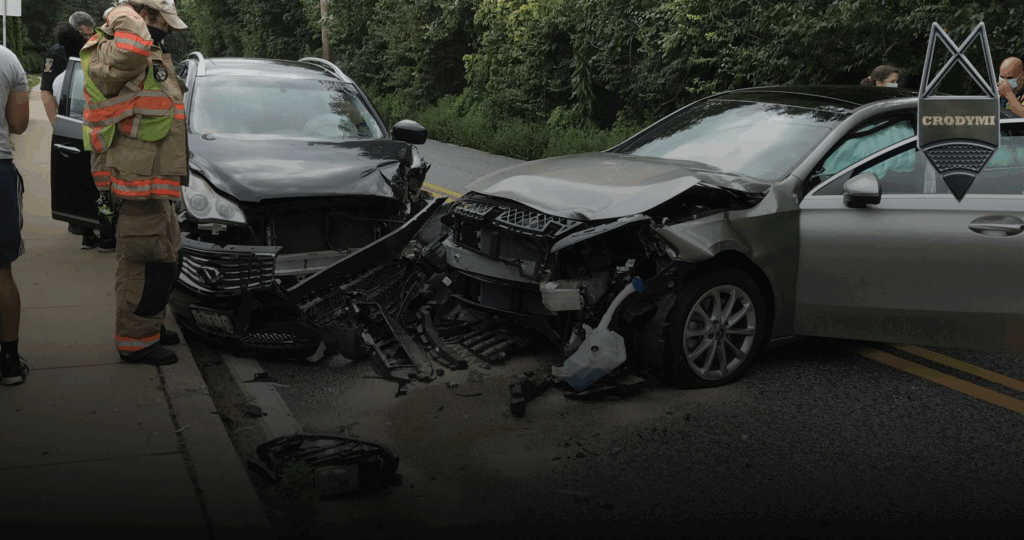
Accident reconstruction animations are now widely used in courtrooms and insurance cases. When done correctly, they make complicated crash details easier to understand and support legal arguments with clarity. However, even small mistakes in how they’re created can raise doubts and reduce their reliability. This article looks at five frequent mistakes that can weaken accident reconstruction and explains practical ways to prevent them.
Mistake #1: Ignoring Real-World Physics
One of the most frequent flaws in accident reconstruction animations is overlooking the basic laws of physics. Sometimes, animations are made more dramatic than they should be-vehicles might appear to move too sharply, braking distances may seem shorter than they really are, or the impact could look more forceful than what actually happened. While this can make the visuals more eye-catching, it takes away from accuracy and can damage credibility in both legal and insurance cases.
Crash reconstruction is not about visual flair—it is grounded in measurable dynamics such as speed, road friction, momentum, and stopping distance. If these factors are misrepresented, the animation quickly becomes vulnerable. Opposing counsel will often point out such errors to cast doubt on the findings, and jurors may lose trust if what they see on screen clashes with either common sense or expert testimony.
Accident reconstruction animations that stay true to real-world physics serve a much larger purpose. They not only clarify events but also reinforce the reliability of the broader vehicle accident reconstruction process. In essence, accurate physics transforms an animation from a simple illustration into a piece of courtroom evidence that stands up under scrutiny, strengthens expert witness testimony, and builds confidence in the conclusions presented.
How Physics Affects Courtroom Evidence
In legal cases, courtroom evidence needs to be both convincing and scientifically sound. If an animation shows the wrong braking distance, vehicle speed, or collision angle, it can be challenged easily and lose credibility in court. Judges and jurors are far more likely to trust accident reconstruction animations when they reflect measurable forces like momentum, friction, and impact energy. Accurate vehicle accident reconstruction connects complex physics with clear visuals, transforming technical data into a presentation that can hold up under cross-examination in court.
Avoiding This Mistake
Forensic accident analysis depends on accuracy, and that requires the right tools and expertise. Certified simulation software, validated crash data, and detailed accident reports help keep animations true to physics. When engineers and accident reconstruction experts verify elements including speed, momentum, and impact, the findings become more reliable. This joint effort produces accident reconstruction animations that balance clear visuals with scientific accuracy. When the visuals match real-world physics, they become powerful assets in both vehicle accident reconstruction and courtroom presentations.
Mistake #2: Overcomplicating Animations
Legal animation should function as a bridge between technical data and audience understanding. Yet one of the most common mistakes is overcomplicating the visuals. Some accident animations feature flashy effects and constant movement that don’t add real value. They might look appealing at first, but they actually overwhelm viewers who need to concentrate on the crash details. Rather than making events clearer, these extras confuse or distract the jury.
Accident reconstruction animations are most effective when they present a clear, straightforward narrative. Jurors—and even attorneys—usually don’t have an engineering background. If an animation is too cluttered or overly technical, they may miss the key points that matter most as courtroom evidence. Adding too much detail can shift attention away from the actual crash dynamics and toward side issues, reducing the impact of the reconstruction.
The goal should always be balance: enough detail to remain technically accurate, but streamlined enough for any viewer to follow the story. A focused legal animation keeps the spotlight on the essential moments—vehicle speeds, points of impact, braking distances—so that the evidence supports testimony rather than competing with it.
Impact on Expert Witness Testimony
Expert witness testimony is strongest when paired with visuals that are simple. If an animation is cluttered or unclear, the expert may need to pause repeatedly to explain, which weakens their impact. Instead of reinforcing the facts, the animation might distract jurors or cause them to misread the courtroom evidence. Clear and focused accident reconstruction animations are helpful for expert witnesses to explain complex findings more effectively. It also makes it easier for jurors to connect the visuals with the testimony.
Simplifying Without Losing Accuracy
Accident reconstruction and vehicle accident reconstruction animations should prioritize clarity without sacrificing scientific accuracy. Simplification does not mean leaving out vital data—it means presenting the essentials in a way that jurors can easily understand. Designers can achieve this by removing distracting background movement, reducing cluttered labels, and emphasizing the core elements such as vehicle paths, road conditions, and impact points. This method keeps the focus on the collision itself, delivering an accurate yet comprehensible reconstruction that strengthens both courtroom evidence and expert witness testimony.
Mistake #3: Using Incomplete or Inaccurate Data
Crash reconstruction depends entirely on the quality of information used to build it. One of the biggest mistakes in accident reconstruction animations is using incomplete, outdated, or inaccurate data. If crash reports leave out key details, black box evidence is ignored, or scaled drawings are miscalculated, the reconstruction quickly loses credibility. Even if the visuals appear polished, gaps in data weaken the foundation, leaving the animation vulnerable to challenges in court.
Forensic accident analysis requires a disciplined approach to gathering and verifying every piece of available evidence. Inconsistent measurements or dependence on rough estimates without on-site verification can create errors that build up during the reconstruction process. These mistakes affect more than just the animation—they raise eyebrows about the reliability of the entire accident reconstruction.
In a courtroom setting, opposing counsel and their experts are quick to identify and exploit such weaknesses. If jurors believe an animation is built on weak or incomplete data, the testimony quickly loses strength. Effective crash reconstruction isn’t about making events look convincing—it’s about basing every frame on verified facts. Without solid data, even the most advanced animation can end up weakening the very case it was meant to support.
How Data Gaps Affect Legal Outcomes
Courtroom evidence that relies on weak or incomplete data often collapses under cross-examination. Lawyers have the right to point out missing measurements, scaled drawings mistakes, or overlooked black box records. Once its credibility is questioned, the animation risks being thrown out, no matter how impressive it appears on screen. Forensic accident analysis that leaves out key data doesn’t just weaken the animation—it also damages the overall legal strategy. This can influence how jurors view the case and reduce their confidence in the findings being presented.
Best Practices for Accurate Data Collection
Accident reconstruction animations gain strength when they are grounded in verified, comprehensive data. Dependable sources include event data recorders (EDR), GPS logs, dashcam footage, crash data retrieval, and precise on-site measurements. Scaled drawings and black box records add further context, and give experts a reliable base for analysis. Combining these data points results in reconstructions that are clearer, more credible, and more persuasive in court.By emphasizing accuracy at the collection stage, accident reconstruction professionals can minimize disputes during trial and present courtroom evidence that withstands scrutiny and supports the case effectively.
Mistake #4: Ignoring Human Factors
A crash is never just about two vehicles colliding—it is also about the people inside them and the choices made in those critical moments. Accident reconstruction loses its accuracy when human factors are overlooked in animations. Excluding details like reaction time, hand and foot movements, seating positions of passengers, and how they were braced during impact, means reducing the reconstruction to a flat version that misses the full reality of events.
Jurors and judges often look for context that connects mechanical evidence with human behavior. For instance, if an animation shows a vehicle rear-ending another but it fails to illustrate that the driver had only a split second to respond, the animation looks incomplete. Similarly, overlooking passenger positions can conceal why one person suffered severe injuries while another walked away relatively unharmed.
Accident reconstruction animations by an expert witness that thoughtfully incorporate human elements create a more comprehensive picture. They don’t just show the physics of the crash; they also explain how people interacted with those forces. This perspective helps the courtroom see the sequence of events more clearly, providing insight into responsibility, how injuries occurred, and the choices made in those critical seconds.
Why Human Factors Matter in Court
Courtroom evidence becomes more persuasive when it goes beyond mechanical data and highlights human behavior. Forensic accident analysis that is all-rounder and examines driver perception, reaction time, and decision-making under stress can completely change how a crash is interpreted. When evidence reflects both physical mechanics and human limitations, jurors gain a more accurate view of what was truly possible in the critical moments leading up to the incident.
Incorporating Human Factors Accurately
Accident reconstruction animations and vehicle accident reconstruction reports gain authority when they include scientifically validated models of human response. If experts use biomechanics, reaction benchmarks, and occupant kinematics, they can show how people actually react in high-stress crashes. These insights connect vehicle movements with human behavior, and thus provide a more complete and accurate picture of the incident. The evidence becomes harder to dispute by grounding reconstructions in both engineering and behavioral science. It offers jurors a credible, scientifically balanced picture of what happened and why certain outcomes occurred.
Mistake #5: Neglecting Legal Standards and Presentation
Accurate accident reconstruction animations are powerful tools in court, yet even the most precise visuals can lose effectiveness if they are not presented properly. For legal use, a legal animation must meet three key criteria: it should be admissible, directly relevant to the case, and understandable to jurors without a technical background. When these conditions aren’t met, even a well-researched reconstruction risks being excluded from evidence or, worse, misunderstood in a way that damages the case.
Several mistakes can undermine credibility. Confusing or overly dramatic camera angles can distract instead of clarifying what really happened. Unrealistic timings, like vehicles moving too fast or too slow, can cast doubt on accuracy. Missing details, such as speed indicators or collision points, leave jurors confused and doubtful about what the animation is showing. Visuals that appear biased toward one side, whether intentional or not, can also reduce trust in the reconstruction.
Ultimately, a strong legal animation is not only scientifically accurate but also presented with clarity, fairness, and simplicity. If they combine technical precision with accessible storytelling, attorneys and experts can provide jurors with a visual account that strengthens testimony instead of raising questions. This balance is what transforms reconstruction animations into persuasive courtroom evidence.
Common Legal Presentation Mistakes
Even the most carefully researched accident reconstruction animations can lose their impact if presented poorly. Confusing camera angles, missing time stamps, and unclear labels can leave jurors more puzzled. When courtroom evidence appears misleading, it works opposite and undermines confidence in the legal process. This not only weakens the credibility of the expert witness presenting the findings but can also damage the attorney’s overall argument. Jurors may begin to doubt the accuracy of the reconstruction itself, reducing the effectiveness of expert witness testimony and potentially harming the case.
Ensuring Animations Are Court-Ready
For accident reconstruction animations to carry weight in the courtroom, they have to undergo rigorous preparation. Collaboration between forensic experts, technical animators, and legal counsel is helpful to identify errors or gaps before the trial starts. Validating data sources and confirming consistency with expert testimony is necessary to make sure the visuals are both admissible and reliable. A court-ready animation by an expert witness not only supports the evidence but also strengthens the legal strategy, leaving a lasting impression on decision-makers.
Best Practices for Accurate and Effective Accident Reconstruction Animations
Accuracy and clarity form the foundation of effective crash reconstruction. Accident reconstruction animations are more than visual aids—they are courtroom evidence that can influence legal outcomes. For this reason, they must combine technical precision with understandable presentation. Real-world physics, validated measurements, and consistent timelines are essential to maintaining credibility.
Reliable crash reconstruction also requires dependable data. Scaled drawings, crash data retrieval, GPS records, and black box evidence provide the framework for accurate depictions. When these elements are overlooked, animations risk becoming speculative rather than factual. Incorporating human factors such as driver reaction time, seating positions, and occupant dynamics further strengthens the narrative, showing jurors not only what happened but also how individuals experienced the event.
Legal standards are another critical consideration. Animations should be reviewed for admissibility and clarity, avoiding confusing visuals, misleading camera angles, or missing annotations. Collaboration with an expert witness helps verify accuracy, while input from attorneys ensures that the presentation aligns with the case strategy.
Professional and expert accident reconstruction services blend scientific precision with legal preparedness. The outcome is courtroom-ready animations that clearly communicate findings, strengthen expert testimony, and support more persuasive arguments in insurance and legal cases.
Conclusion: Avoiding Mistakes to Strengthen Your Case
Accident reconstruction animations play a vital role in legal proceedings. When accurate, they support courtroom evidence, reinforce expert testimony, and influence outcomes. Avoiding the five mistakes outlined here—ignoring physics, overcomplication, weak data, missing human factors, and poor presentation—helps create animations that stand up to scrutiny. Consulting certified professionals in accident reconstruction is the most reliable way to protect credibility and strengthen your case.
Frequently Asked Questions
What are accident reconstruction animations?
Accident reconstruction animations are visual representations that recreate collisions. They combine crash data, scaled drawings, and forensic accident analysis to communicate findings in a courtroom or insurance context.
How accurate are crash reconstruction animations?
Crash reconstruction animations can be highly accurate when built on reliable data such as EDR downloads, black box evidence, and on-site measurements. Their credibility depends on technical precision and forensic accident analysis.
Can animations be challenged in court?
Yes, courtroom evidence can be challenged. If accident reconstruction animations are based on weak data, omit key details, or exaggerate physics, opposing counsel may question their reliability.
Who prepares accident reconstruction animations?
An expert witness or accident reconstruction specialist typically develops these animations. They may collaborate with engineers and forensic consultants to produce accurate, admissible results.
How to make sure animations are legally admissible?
Legal animation must comply with courtroom standards. Reviewing accident reconstruction animations through expert witness testimony and legal counsel helps confirm admissibility and clarity.