
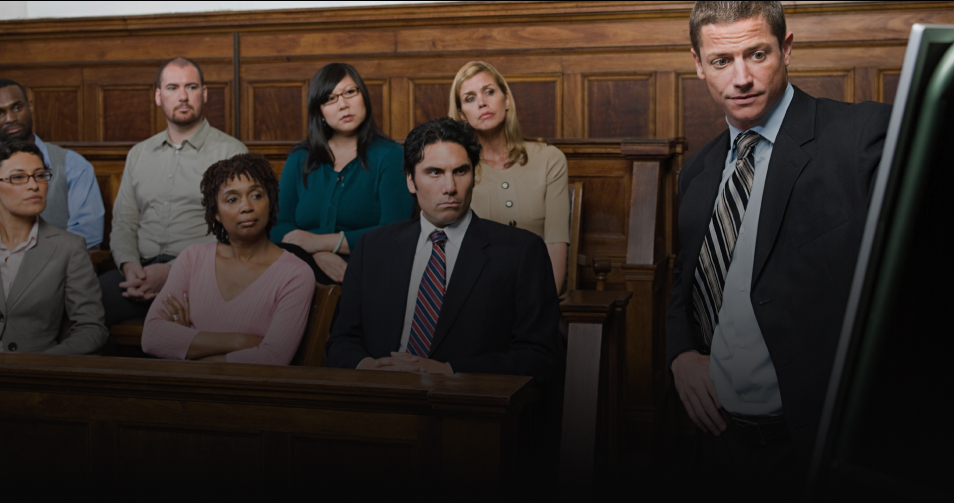
Legal animation has changed the way attorneys present evidence in court. You now have the power to show jurors exactly how an accident unfolded or how an injury occurred. Whether you handle personal injury, criminal defense, or insurance litigation, legal animation, injury animations, and car wreck animation can make your arguments clearer and more persuasive. The right visuals can tip the scales in your favor, helping you secure more favorable verdicts and settlements.
The Rise of Legal Animation in Modern Litigation
Legal animation refers to computer-generated graphics that visually represent events, processes, or concepts relevant to a case. You use these animations to clarify complex scenarios for jurors, judges, and opposing counsel.

Over the past three decades, legal animation has moved from a niche tool to a standard courtroom resource. In the early 1990s, only a few high-profile cases used animation. Today, you see legal animation in courtrooms across the country, with PowerPoint and 3D animations now accounting for the majority of visual evidence presented.
This growth reflects the legal system’s increasing acceptance of technology. As animation law regarding representation has evolved, courts have set clear standards for admissibility, making it easier for you to introduce these visuals as demonstrative evidence. The flexibility of animation tools allows you to tailor visuals to any case, from car accidents to complex patent disputes.
Real Cases Where Animation Made an Impact
Legal animation has played a decisive role in many high-profile cases. For example, in several criminal and civil trials, attorneys used animations to reconstruct accident scenes or clarify technical testimony. In one aviation accident mock trial, the side that used legal animation saw a significant shift in jury decisions. When only the plaintiff presented an animation, jurors favored the plaintiff; when both sides used animations, the defense gained an edge.
In another case, a legal team used animation to show the sequence of a car crash, helping the jury completely understand the mechanics of the collision. The animation clarified disputed facts and contributed to a favorable verdict. These examples show that legal animation can be a big factor in winning and losing a case.
What Types of Legal Animations Exist?
You can use a relevant one from several types of legal animations, each suited to different case needs. Law firms and courts rely on these visuals to explain everything from medical injuries to accident dynamics.
- PowerPoint Animation: Flexible and widely used for demonstratives.
- 2-D Animation: Ideal for simple, cost-effective explanations.
- 3D Animation: Ideal for cases that require detailed, realistic visuals.
- Forensic Animation: Reconstructs events based on evidence and expert analysis.
- Trial Animation: Explains legal concepts or processes to support your argument.
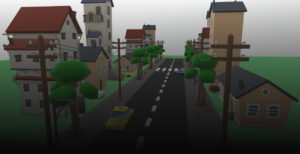
Injury Animation
Injury animations show the mechanics of bone fractures, soft tissue damage, or surgical procedures. You can use these visuals to help jurors understand the severity of injuries, the steps in a surgery, or the long-term impact on your client’s life. Injury animations are especially effective in personal injury and medical malpractice cases, where medical jargon can confuse jurors.
Accident or Car Crash Animations
Car wreck animation and accident reconstruction visuals depict car-to-car impacts, pedestrian accidents, or multi-vehicle collisions. These animations break down the sequence of events, showing speed, angles, and forces involved. You can use them to clarify liability, demonstrate causation, or counter opposing expert testimony.
How Legal Animation Supports Trial Strategy
Visuals play a critical role in your trial strategy. Scientific research indicates that people remember approximately 80% of what they see, compared to only 10% of what they hear and 20% of what they read. Legal animation helps you present complex information in a way that jurors can understand and remember.

Compared to static diagrams, animations offer several advantages:
- Clarity: Animations show movement, sequence, and causation.
- Retention: Jurors retain more information when you use visuals.
- Persuasion: Visuals are 43% more persuasive than words alone.
Animation law regarding representation requires that your visuals accurately reflect the evidence. When you use legal animation, you help jurors grasp technical testimony, such as accident reconstruction or medical procedures, that might otherwise overwhelm them.
Communicating Complex Testimony
Expert witnesses often struggle to explain technical details. Legal animation bridges this gap. For example, a professional accident reconstruction expert can use animation to illustrate how a vehicle lost control, making the testimony more accessible to jurors with no technical background.
Enhancing Emotional Impact for Jurors
In personal injury or wrongful death cases, injury animations can humanize your client’s experience. Showing the impact of an injury or the steps in a surgery can evoke empathy and help jurors connect with your client’s story. This emotional engagement can influence verdicts and settlement discussions.
Legal and Technical Accuracy in Animation
Courts require that legal animation meet strict standards for admissibility. You must ensure your animation is accurate, relevant, and not misleading. The Federal Rules of Evidence and recent case law establish guidelines for using animation as demonstrative evidence.

Created From Verified Data
You base legal animations on verified data, such as:
- Police reports
- 3D scans of accident scenes
- Medical imaging (CT, MRI)
- Expert analysis
This data-driven approach ensures that your animation accurately reflects the facts of the case, rather than speculation.
Reviewed by Experts
Accident reconstruction specialists, surgeons, or other experts must review and validate your animation. Their testimony authenticates the animation and confirms its accuracy. Courts often require this step to admit the animation as evidence.
Common Use Cases for Legal Animation
Legal animation serves a wide range of practice areas. You can use it in civil, criminal, and insurance litigation to clarify facts and support your arguments.
- Accident Reconstruction: Car crashes, workplace incidents
- Forensic Analysis: Crime scenes, bullet trajectories
- Medical Malpractice: Surgical errors, injury mechanisms
- Product Liability: Defective products, mechanical failures
- Environmental Law: Pollution, habitat destruction
Personal Injury & Medical Malpractice
Injury animations help you explain brain trauma, spinal injuries, or surgical procedures. You can show the jury how an injury occurred, the medical treatment required, and the long-term effects on your client’s life.
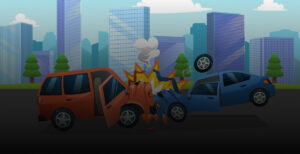
Auto Collisions & Car Wrecks
Car wreck animation and accident reconstruction visuals clarify the sequence of events in auto collisions. You can demonstrate speed, impact angles, and vehicle dynamics, making it easier for jurors to understand liability and causation.
Final Thoughts: Bringing Law to Life Visually
Legal animation gives you a persuasive edge in court. You can clarify complex facts, support expert testimony, and connect with jurors on an emotional level. Injury animations and car wreck animations help you present evidence that wins cases. Start using legal animation early in your trial preparation to maximize its impact.
Looking to strengthen your next case with powerful legal animation? Our certified animation experts help you present evidence that wins. Contact us today for a free consultation.
Explore Crodymi LLC’s accident reconstruction, Scaled and Drawing Sketches, Vehicular Crash History Report , and Scene Mapping Services to see how we can support your litigation strategy.
Frequently Asked Questions
What is legal animation used for in court?
Legal animation helps you illustrate complex events, clarify expert testimony, and make evidence more accessible to jurors. You use it to show accident sequences, medical procedures, or technical processes that are difficult to explain with words alone.
Are injury animations admissible as evidence?
Courts admit injury animations as demonstrative evidence if they accurately reflect the facts and are based on verified data. You must ensure that the animation is fair, relevant, and reviewed by qualified experts.
What makes an animation legally valid?
Animation law regarding representation requires that your animation is authentic, accurate, and not misleading. You must base it on verified data and have it reviewed by experts who can attest to its accuracy.
How accurate are car wreck animations?
Car wreck animation relies on police reports, 3D scans, and expert analysis. When you use verified data and expert review, these animations can accurately depict the sequence of events and support your case in court.