
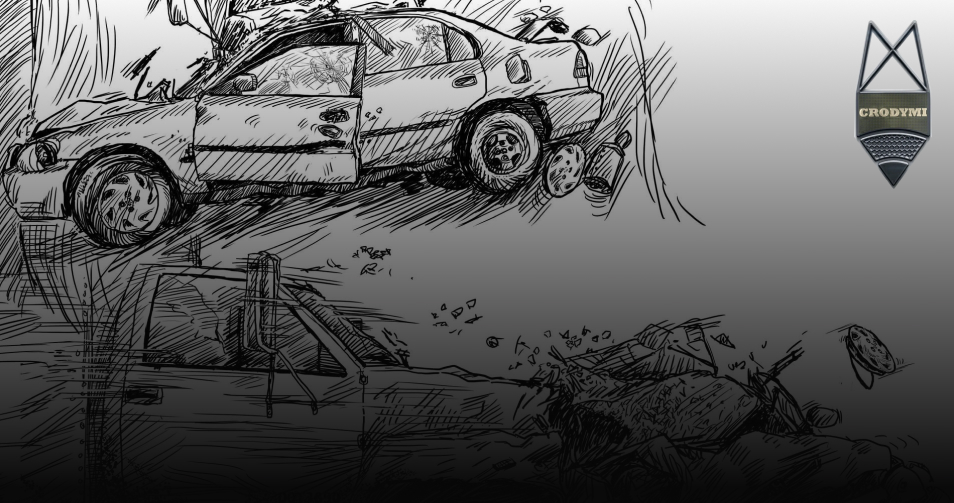
In the chaotic world of courtrooms, visuals can change everything. Lawyers usually depend on paperwork and what people say on the witness stand, but things like legal drawings, scale drawing, and courtroom sketch help turn messy, confusing facts into something everyone can actually understand. These visual pieces of evidence don’t just help explain what went down – they help judges and juries really grasp the whole situation.
This guide explores how scaled drawing and sketches, illustrations, and courtroom sketches serve as legal evidence, transforming abstract testimony into concrete visual understanding that can significantly impact case outcomes.

Why Visual Representations Matter in the Legal World
A Picture Is Stronger Than Words
Pictures and drawings have a huge impact on people’s minds. In big trials, jurors usually remember what they saw way better than what they heard. When a courtroom sketch shows how a defendant was acting or legal drawings show an accident scene, it helps the court understand both the facts and the human side of the story. Real cases have proven that good visuals can back up what witnesses say and make complicated evidence easier to grasp. In accident or crime cases, these sketches have been crucial for showing moments that are just too hard to put into words alone.Breaking Down Complex Testimony
Expert witnesses like forensic analysts or crash investigators often speak in really technical language that can go right over people’s heads. When they use legal drawings or visual aids to explain their findings, it makes everything much clearer for the jury to understand. Look at a car accident case, for example. When you have a scale drawing that shows exactly how debris, evidence, were positioned within an area of interest, or tire marks along the pavement which showcase how the crash went down, based on tire marks and what witnesses remember, it tells the whole story in seconds. Mix that visual with someone who really knows accidents breaking it down, and suddenly all those complicated technical details make perfect sense to everyone in the courtroom.Understanding Scale Drawing in Legal Proceedings
What is a Scale Drawing?
A scale drawing is just a careful picture of something real that’s been made bigger or smaller while keeping everything in the right proportions. In legal cases, you might see one showing a building layout, a crime scene, or how an accident played out. Picture it like this: when the scale says 1cm = 1m, every small centimeter mark on that paper stands for an entire meter out in the real world. Courts love these drawings because they demonstrate size, spacing, and how everything fits together physically. Its the kind of stuff that’s nearly impossible to get across clearly when you’re just writing about it in a report.Why Accuracy Matters in Court
When it comes to legal drawings, precision matters more than anything else. Courts have zero tolerance for sloppy measurements, wrong angles, or incorrect distances. Make even one tiny error and judges will reject your drawing entirely, they simply won’t accept evidence they can’t trust to be completely accurate. That’s why only trained pros like forensic illustrators, architects, or engineers can make drawings that courts will actually accept. These visuals usually get checked by other experts or get grilled by lawyers in court to make sure they’re legit and trustworthy.Role of Courtroom Sketches and Illustrations
Capturing Courtroom Moments
When courts don’t allow cameras, and that’s pretty common in federal or high-profile legal proceedings , sketch artists become our only way to see what’s happening inside. Their artwork captures people’s expressions, how they act around each other, and those important moments that show the human drama underneath all the legal talk. We’ve all seen these sketches from big cases over the years, like when they covered Ted Bundy’s trials or more recent Supreme Court cases. These aren’t just for keeping records , they’re how regular people get to see what’s really happening when those courtroom doors are shut tight.Difference Between Sketches and Scaled Drawings
Though both are types of legal drawings, they serve completely different purposes:- Courtroom drawing is more artistic and based on the artist’s perspective.
- Scale drawings are technical and stick to the facts.
Scaled Drawings in Accident Investigation & Crash Analysis
Scene Reconstruction Using Drawings
Accident investigators lean heavily on scale drawings to piece together what happened during crashes. These visuals help them show exactly where cars hit, where they ended up, and the path of skid marks on the road. When you combine these drawings with crash data like how fast the car was going, when the brakes were hit, and which way the steering wheel was turned, you get a complete picture that turns all those numbers into something a jury can actually understand and use as evidence. Whether it’s a road collision or industrial accident, scale drawing makes reconstructions clear and credible.Combining Visuals with Data
Modern reconstructions go beyond pen and paper. Today’s visuals include drone footage overlays, 3D renderings, and augmented visuals built from crash data retrieval. A scale drawing might be enhanced with:- Satellite images
- GPS coordinates
- Vehicle telemetry data
Legal Admissibility of Visual Evidence
What Makes a Drawing Legally Valid?
Not every drawing can be used as legal evidence in court. For a visual to actually count as legal evidence, it has to check these boxes:- Made by a qualified expert who knows what they’re doing
- Based on verified sources and real data
- Accurate in scale and proportions
- Backed up with proper paperwork