
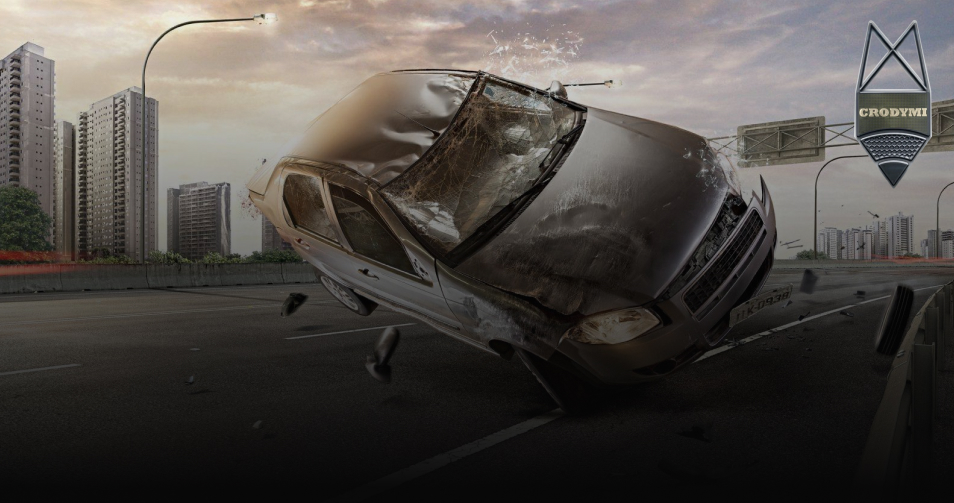
When a car accident occurs, immediate priorities include medical care and reporting a traffic incident to the police. But one critical action frequently overlooked is reacquiring vehicle data retrieval report This data captured by systems like the EDR vehicle module can make or break your vehicle data retrieval, legal case, or insurance claim.
Time is not just a factor, it is the deciding factor. Every minute of delay risks losing key electronic evidence stored in your vehicle’s systems. For accident victims, legal professionals, investigators, and insurers, knowing how and when to act can prevent irreversible data loss.
The Importance of Acting Fast After a Vehicle Collision
After bad vehicle crashes, emotions run high. But while dealing with medical emergencies and logistics, the vehicle itself starts ticking like a countdown. Internal systems that record speed, impact force, braking behavior, and seatbelt usage have limited storage capacity. If you don’t act fast, this data may be overwritten or erased altogether.
Missing information can cause misunderstanding about what truly happened or a lack of proof of fault for the victims and the experts working on the vehicle data retrieval report. Quick data retrieval is not only beneficial in high-impact or advanced collision scenarios, but it is also vital for maintaining justice and accountability.
What Is Vehicle Data Retrieval?
Definition and overview
Vehicle data retrieval refers to the process of extracting crash-related data stored in the electronic modules of modern cars. The main system involved is the Event Data Recorder (EDR), often compared to a plane’s black box. The edr vehicle data it stores is critical to reconstruct the crash.
This process supports not only accident reconstruction but also medical diagnosis (e.g., knowing how fast the impact was) and evidence gathering for insurance and legal actions, especially useful when reporting a traffic incident or filing a vehicle data retrieval crash report.
Common Systems Involved (EDR, ECU, ACM)
EDR (Event Data Recorder):
Records pre- and post-crash information such as speed, brake operation, throttle position, seatbelt use, and so forth.
ECU (Engine Control Unit):
Think of this as the brain of the engine; it keeps track of how the engine behaves, logs error codes, and stores system information.
ACM (Airbag Control Module):
This module kicks in when airbag systems deploy, recording vital data, especially during advanced collision incidents.
All these systems work together to hold the digital evidence of every crash, a truth that can fade away if not retrieved quickly.
What Happens to Data After a Crash?
How long data is stored
Data from systems like the EDR is stored temporarily, some models retain it for only a few ignition cycles or a limited mileage range after the crash. In many types of edr vehicle, once the car is restarted and driven again, the crash data may be overwritten.
This makes it critical to retrieve the data before moving or using the vehicle again. The clock starts ticking the moment the crash ends.
What Factors Can Cause Data to Be Overwritten or Lost
Several seemingly normal post-accident actions can destroy vital data:
- Towing: Can trigger resets or battery disconnects
- Battery Disconnection: Risks erasing temporary storage
- Further Damage: A second impact or environmental exposure may damage modules
- Ignition Cycles: Simply starting the vehicle too many times can overwrite existing crash records.
Each of these increases the risk of losing information that could otherwise support your vehicle data retrieval report or vehicle incident report.
Why Timing Matters
Data degradation and overwrite risks
The biggest risk we face is losing data simply because we didn’t act in time. Unlike cloud-based systems, edr vehicle modules keep their data stored locally. They aren’t built to hold onto crash information for long unless someone retrieves it quickly.
Every hour we wait raises the likelihood that:
- A mechanic might reset the system
- A tow yard could disconnect the battery
- The insurance company may move the car without following the right procedures.
Legal Consequences of Delayed Retrieval
Missing or corrupted data can severely limit a lawyer’s ability to prove fault or defend a client. Judges and juries rely on evidence. Without EDR or ECU records, you’re left with conflicting eyewitness accounts and guesswork, especially dangerous in advanced collision cases where blame may not be obvious.
Insurance Claim Delays or Denials Due to Lack of Evidence
Insurers want proof. A complete vehicle crash report supported by digital data can fast-track a claim. But without it, policyholders may face:
- Claim rejections due to “insufficient evidence”
- Prolonged investigations
- Reduced compensation based on assumptions
- Acting late can mean walking away with less than you deserve even when you’re not at fault.
The Role of EDR (Event Data Recorder)
What it captures in the first few seconds
The EDR vehicle module begins recording data seconds before and after a crash. It captures:
- Speed at impact
- Brake application timing
- Airbag deployment
- Seatbelt status
- Steering angle
This information is invaluable in bad vehicle crashes, where outcomes hinge on split-second decisions.
Timeline of data expiration
When it comes to EDRs, they typically keep data for:
- 2 to 5 ignition cycles.
- A few miles of driving after a crash.
- Until there’s a power reset or a repair is done.
It’s important to note that some vehicles will automatically erase data if it’s not retrieved quickly. So, the best advice? Don’t wait, take action now!
Real-Life Scenarios
Case where timely retrieval helped win a case
The defense contended in a Texas rear-end collision case that the driver abruptly applied the brakes without any obvious cause. However, information gathered in less than a day showed that the other car was speeding and failed to brake at all. As a result, the plaintiff was awarded full damages, supported by a comprehensive vehicle data retrieval incident report.
Example of Failed Retrieval and Lost Evidence
In a chaotic multi-car pile-up involving a high-tech advanced collision, the vehicle was towed away before any data could be pulled. By the time the experts got their hands on it, the module had already reset itself. Without any supporting evidence, the client ended up with a 40% reduction in their insurance payout.
How Crodymi Helps with Timely Retrieval
24/7 availability post-crash
Crodymi is built for urgency. We respond immediately to crash calls, whether it’s midnight or rush hour, because we understand the fragility of crash data and how quickly it can be lost or overwritten. Our team of specialists is prepared to get started right away, assisting you in obtaining a comprehensive vehicle data retrieval report before any important information is lost. Our team of experts ensures that no crucial detail slips through the cracks, whether you’re facing a traffic collision or a bad vehicle crashes.
On-Site or Remote Retrieval Service
Depending on the circumstances, our dedicated professionals are ready to:
- Gather information right from the accident scene or the tow yard.
- If the car has the required technology, it can access data remotely.
- When necessary, collaborate closely with investigators or lawyers.
Partnership with Law Firms and Insurance Experts
We at Crodymi provide much more than just state-of-the-art technology. We collaborate closely with:
- Personal injury lawyers
- insurance adjusters
- Experts in accident reconstruction.
Before it’s too late, we want to make sure that the digital evidence supporting your auto vehicle data retrieval accident report is gathered and validated.
Frequently Asked Questions
How long does crash data stay stored in a vehicle?
Typically between 2 to 5 ignition cycles or a limited number of miles driven post-crash. Immediate retrieval is essential.
Can data be retrieved after towing the car?
Sometimes yes, but towing may damage the system or cause data to be lost especially if the battery is disconnected during reporting a traffic incident.
Who can legally access this data?
When it comes to car accidents, you usually have insurance companies, authorized repair shops, the car owner, and sometimes even the police getting involved, especially if there’s a good reason for it. Crodymi ensures that everything is compliant with legal standards.
Can I retrieve data from my car myself?
Not recommended. Improper access can corrupt data or void its legal validity.
Is there a deadline to access crash data?
Yes. Due to risk of overwriting or erasure, it should be retrieved as soon as possible preferably within hours of the crash to ensure a valid vehicle data retrieval incident report.